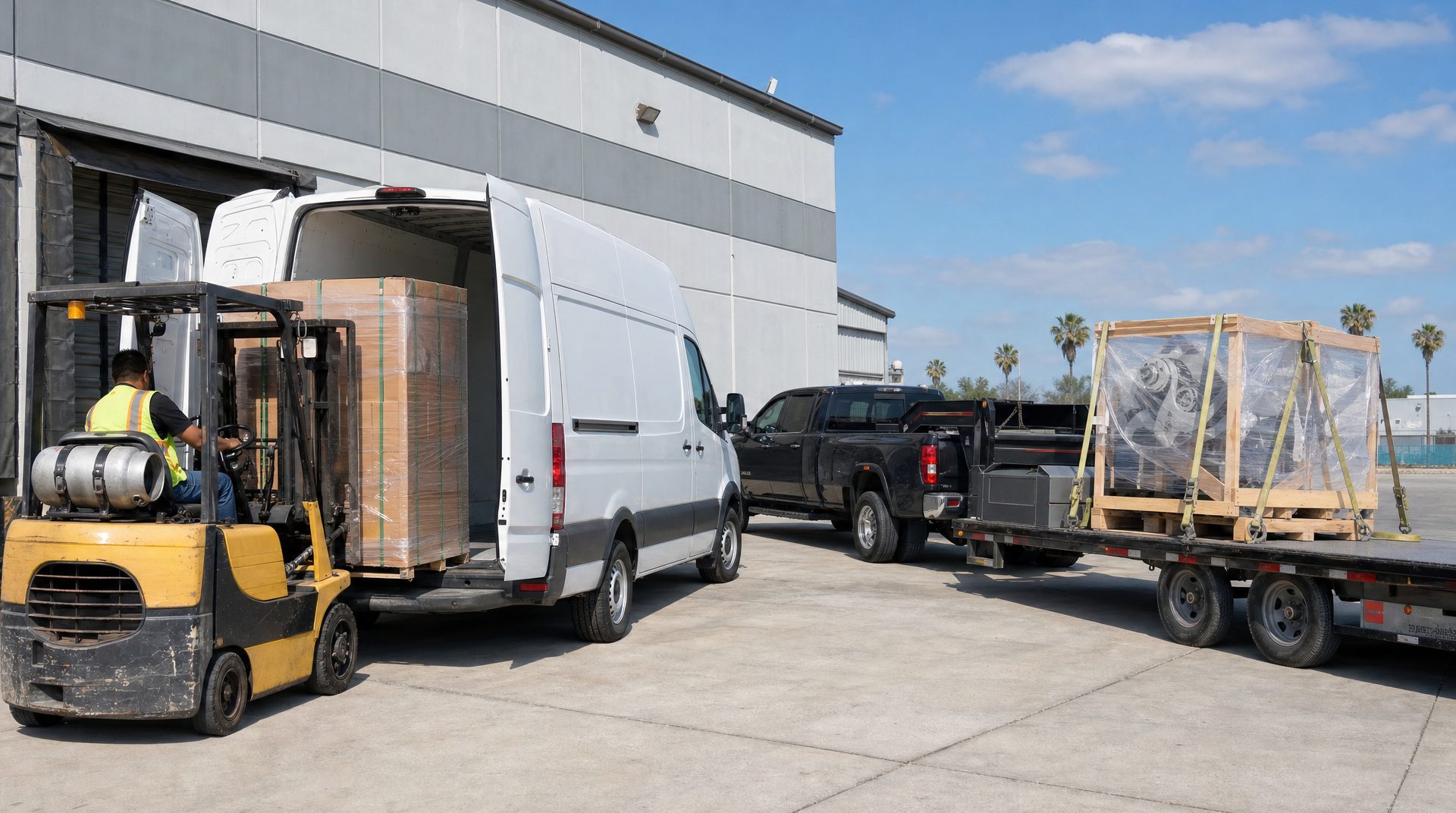
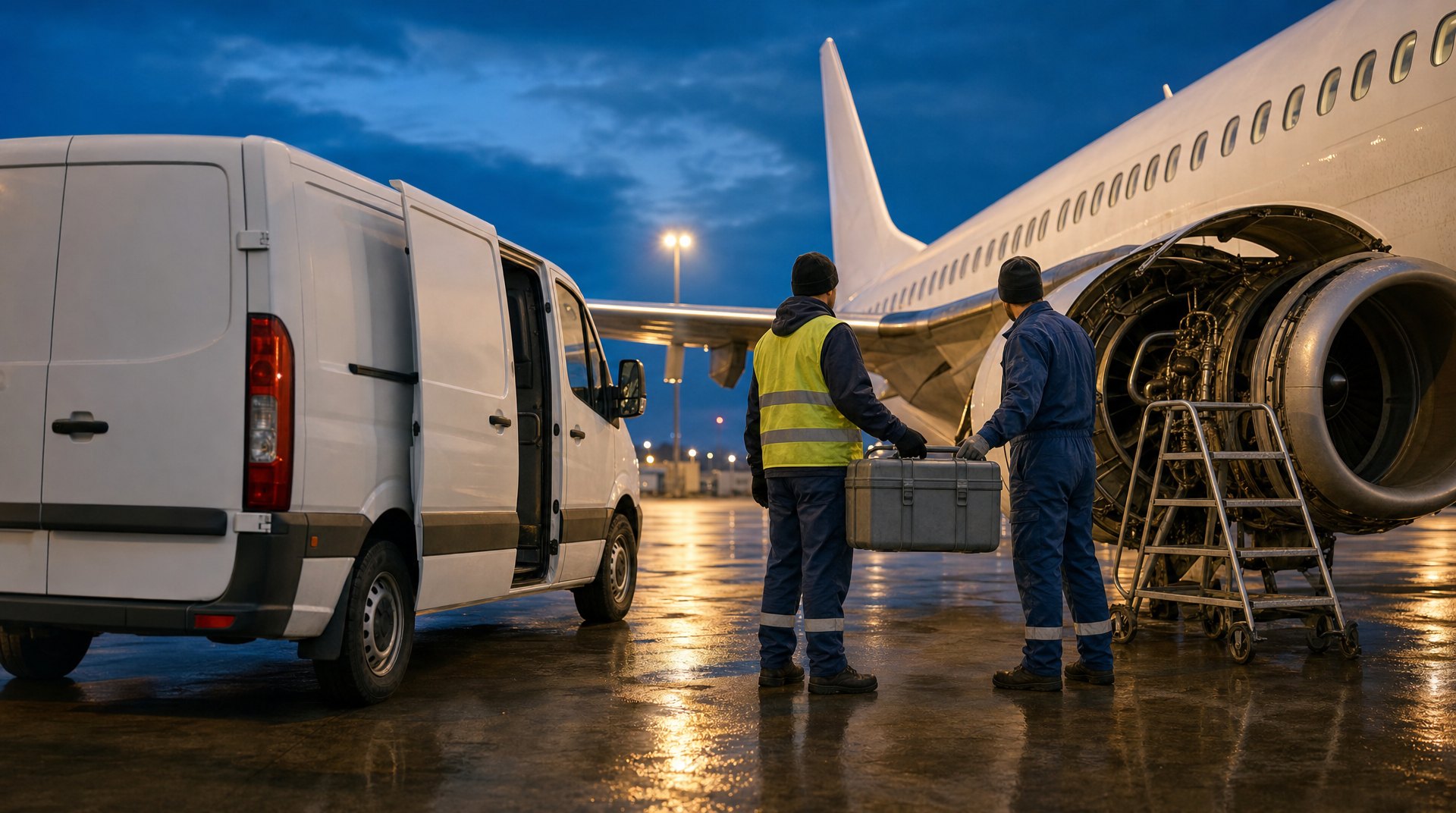
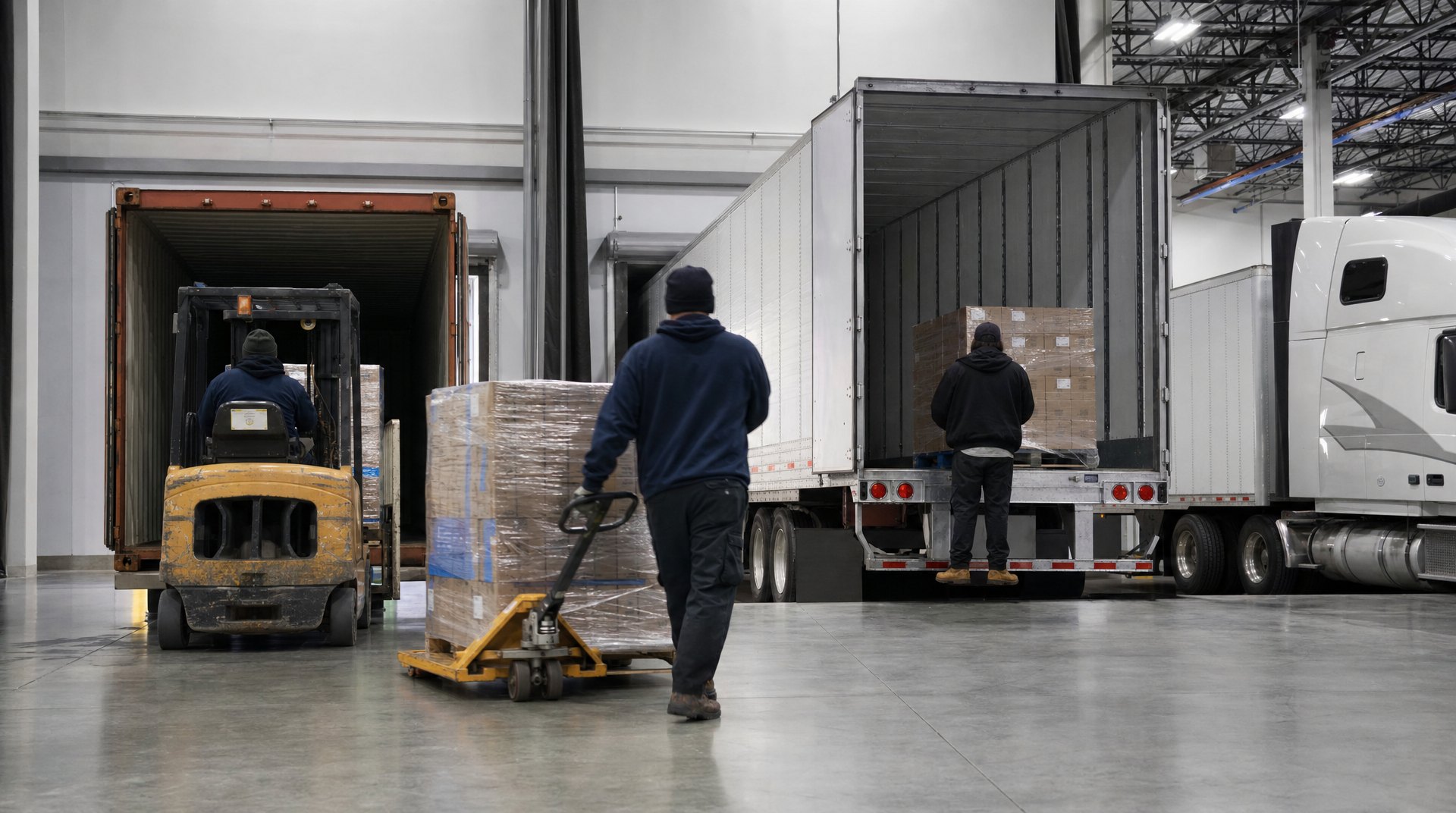
The transportation industry plays a more limited role within the broader logistics sector. Transportation primarily concerns the physical movement of goods from one location to another, whereas logistics, including the management of transport operations, encompasses a wide array of functions, including freight management. Logistics is responsible for the seamless integration of storage, handling, sorting, packaging, and transportation of goods, demonstrating what is logistics and transport and the difference between logistics and transport.
Transportation
As mentioned earlier, transportation is a key component of the logistics industry, concentrating on the actual movement of goods via road, sea, and air routes, thereby addressing the question of what is logistics in transport. In Chennai, logistics companies collaborate with these transportation entities for the effective delivery of goods. A transportation company alone cannot complete the delivery to end customers; it relies on a communication channel that facilitates trade between suppliers and customers. When a customer needs to transport a shipment, it’s typically best to engage the services of a freight forwarder, who oversees the entire process from dispatch to final delivery at the customer’s location, illustrating the role of logistic and transport management.
Logistics
Logistics management encompasses the acquisition, sourcing, production, and delivery of materials and products to customers at the right time and place, which is a central aspect of the logistics of transport. Logistics involves the planning, execution, and strategic management of transportation operations, further emphasizing the role of logistics and transport management. Additionally, logistics includes the critical functions of tracking and tracing shipments from their origin to their final destination, elucidating the modes of transport in logistics.
What Sets Them Apart?
In essence, logistics is about the planning and execution of strategies, while transportation is the practical implementation of these strategies to distribute shipments. Both logistics and transportation must collaborate closely for a successful operation, highlighting the difference between logistics and transport. Transportation forms a part of the broader array of freight services, which itself is a component of logistics, illustrating the interplay between logistics and transport. Logistics also encompasses:
Sorting and warehousing Order picking and packaging Containerization Documentation Insurance Handling of freight claims Customs procedures Vendor and customer communication and management Risk mitigation
The Role of Technology
Advancements in technology have significantly impacted both the logistics and transportation industries. Once a shipment is dispatched, tracking systems come into play, enhancing transparency throughout the transaction and among various stakeholders. This technology provides in-depth information, facilitating faster, smoother decision-making processes and further highlighting the influence of technology on logistical transport.”
Why Choose LAX Freight?
When it comes to efficient and reliable freight solutions, Lax Freight stands out as a top choice. Their commitment to streamlined logistics and expedited shipping services ensures that your cargo reaches its destination promptly and securely. Lax Freight’s dedication to delivering exceptional results in the world of logistics and their expertise in handling expedited shipping needs make them the preferred partner for businesses seeking to stay ahead in a fast-paced market
Key Takeaways
Before diving into specific questions, it helps to summarize the core distinctions covered above. Understanding these points makes it easier to evaluate a provider, plan a shipment, or decide how much of your supply chain you want to manage in house versus hand off to a partner.
- Transportation is the physical movement of goods between two points, using road, rail, sea, or air.
- Logistics is the broader discipline that plans, coordinates, and controls transportation along with storage, packaging, documentation, and communication between all parties involved.
- Every transportation activity sits inside a logistics plan, but not every logistics activity involves moving freight at that exact moment.
- Choosing the right mode of transport depends on the cargo type, the distance, the required delivery window, and the cost tolerance of the shipper.
- A logistics provider coordinates multiple moving parts so that transportation runs smoothly and predictably, rather than as a series of disconnected handoffs.
- Clear communication between suppliers, carriers, and customers reduces delays and helps resolve issues such as damaged freight or documentation errors before they become costly.
Frequently Asked Questions
Is transportation the same thing as logistics?
No. Transportation refers specifically to the act of moving goods from one place to another. Logistics is the wider process that plans and manages that movement alongside warehousing, packaging, inventory control, documentation, and coordination between suppliers and customers. Transportation is one function inside a logistics operation, not a substitute for it.
Which modes of transport are used in logistics?
Road, rail, sea, and air are the primary modes used to move freight. Road transport tends to work best for shorter distances and door to door delivery. Rail and sea suit heavier or bulk cargo moving over longer distances where speed is less critical than cost. Air transport is generally reserved for urgent or high value shipments where speed outweighs cost. Many logistics plans combine more than one mode, known as intermodal transport, to balance speed, cost, and reliability.
Why can’t a transportation company handle the entire shipping process alone?
A transportation company is generally focused on moving cargo from point A to point B. It is not typically set up to manage warehousing, customs documentation, freight claims, or ongoing communication with every party in the supply chain. Logistics providers fill that gap by coordinating the transportation leg with everything that happens before and after it, so the shipment moves as one continuous process instead of a series of separate transactions.
When should a business rely on a freight forwarder instead of booking transport directly?
A freight forwarder is useful whenever a shipment involves multiple legs, multiple carriers, or cross border movement. Booking transport directly can work for simple, single mode, local moves. Once documentation, customs procedures, or coordination between several carriers enters the picture, a freight forwarder or logistics partner reduces the risk of miscommunication and keeps the shipment on schedule.
How does technology improve the relationship between logistics and transportation?
Tracking and visibility tools let shippers, carriers, and customers see where a shipment is at any given point in the journey. This transparency helps logistics teams make faster decisions when a delay or disruption occurs, and it gives customers accurate expectations for delivery. Rather than replacing the transportation function, technology strengthens the coordination layer that logistics provides around it.
Does every shipment need full logistics support, or is transportation alone ever enough?
Simple, local, single carrier shipments with no special handling requirements can sometimes move with transportation alone. As soon as a shipment involves storage, multiple stops, special documentation, insurance, or coordination across several parties, full logistics support becomes valuable because it manages those details in addition to the physical move.
What should a business look for when choosing a logistics partner over a plain carrier?
Look for a partner that can coordinate the full process rather than just the transportation leg: tracking visibility, clear communication, experience with the relevant freight type, and the ability to manage documentation and exceptions when they arise. A logistics partner that treats transportation as one part of a larger, well managed plan will generally deliver a smoother experience than booking transport in isolation.