The part is at the plant. The line is still down.
The truck pulls into the plant at 5:40 in the morning, an hour and twenty minutes before the shift that was supposed to start without the part. Everyone who spent the night on the recovery counts it as a win, and on the freight side it is one. The part crossed a border, cleared a hold, and covered two hundred miles in the dark. Then it sits. Not for hours in every case, but for long enough that the line does not restart at 7:00, and the question that follows is uncomfortable, because nothing went wrong with the freight. The last two hundred yards, from the receiving dock to the machine that needs the part, is the stretch that almost no recovery plan covers and the one that most often eats the margin the rest of the recovery bought.
Freight time ends at the gate; plant time starts there
A recovery is measured in freight time until the moment the truck reaches the property line, and after that it runs on the plant’s clock instead. Those two clocks are not the same and they rarely talk to each other. The forwarder’s job description ends at delivery, the plant’s process begins at receipt, and the space between them belongs to nobody in particular. That gap is where a part that was chased across three time zones waits behind a routine morning inbound because the receiving queue works in the order things arrived. Nothing about that is a failure of anyone’s system. It is what happens when an urgent shipment enters a process built for ordinary ones, and it is entirely predictable, which is exactly why it is worth planning for while the part is still in the air.
The useful reframing is that the delivery is not the finish line. The finish line is the part in a technician’s hands at the machine, and everything between the gate and that moment is still part of the recovery, still on the same clock, still capable of costing the restart.
Four handoffs that each need a person
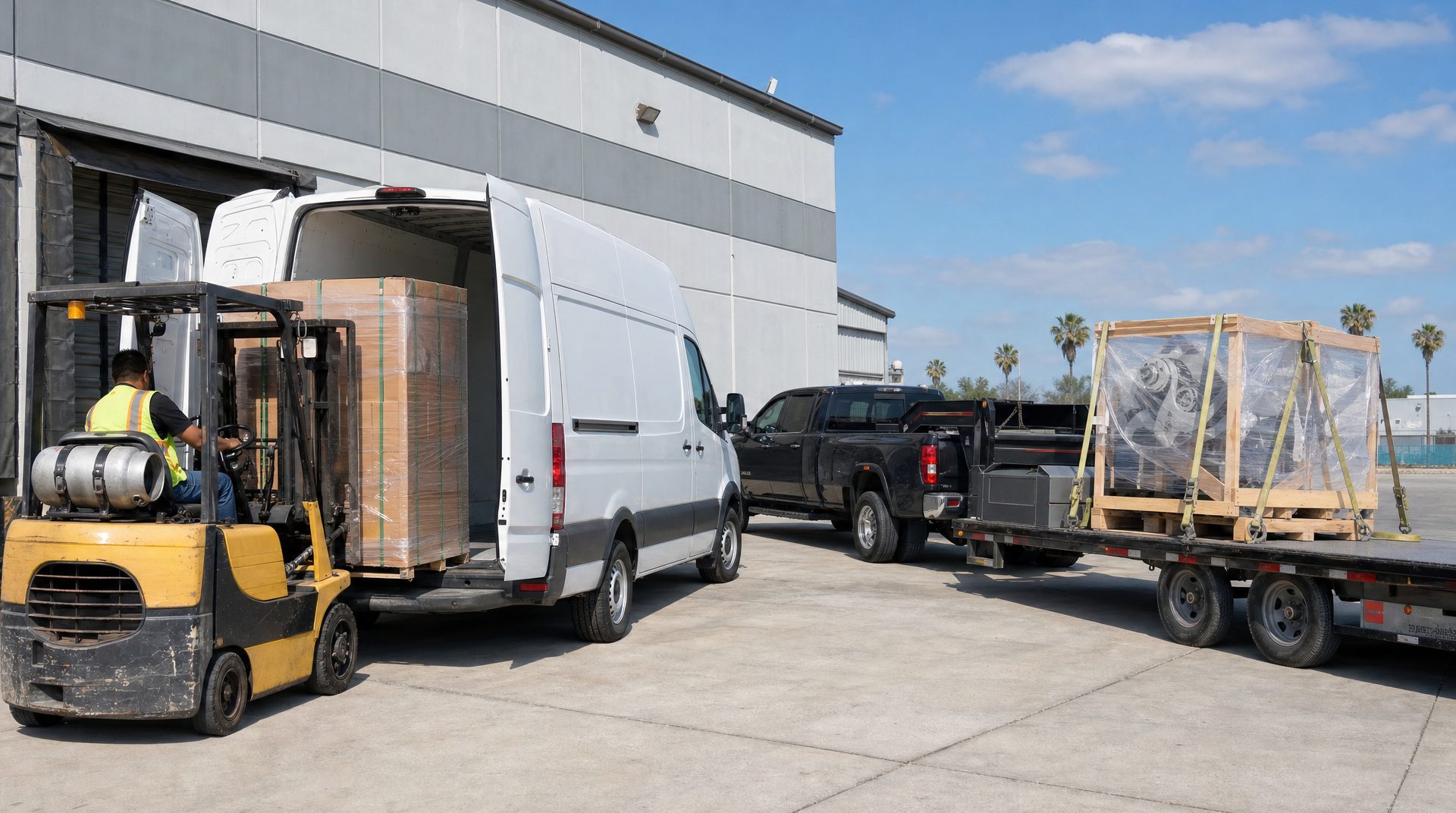
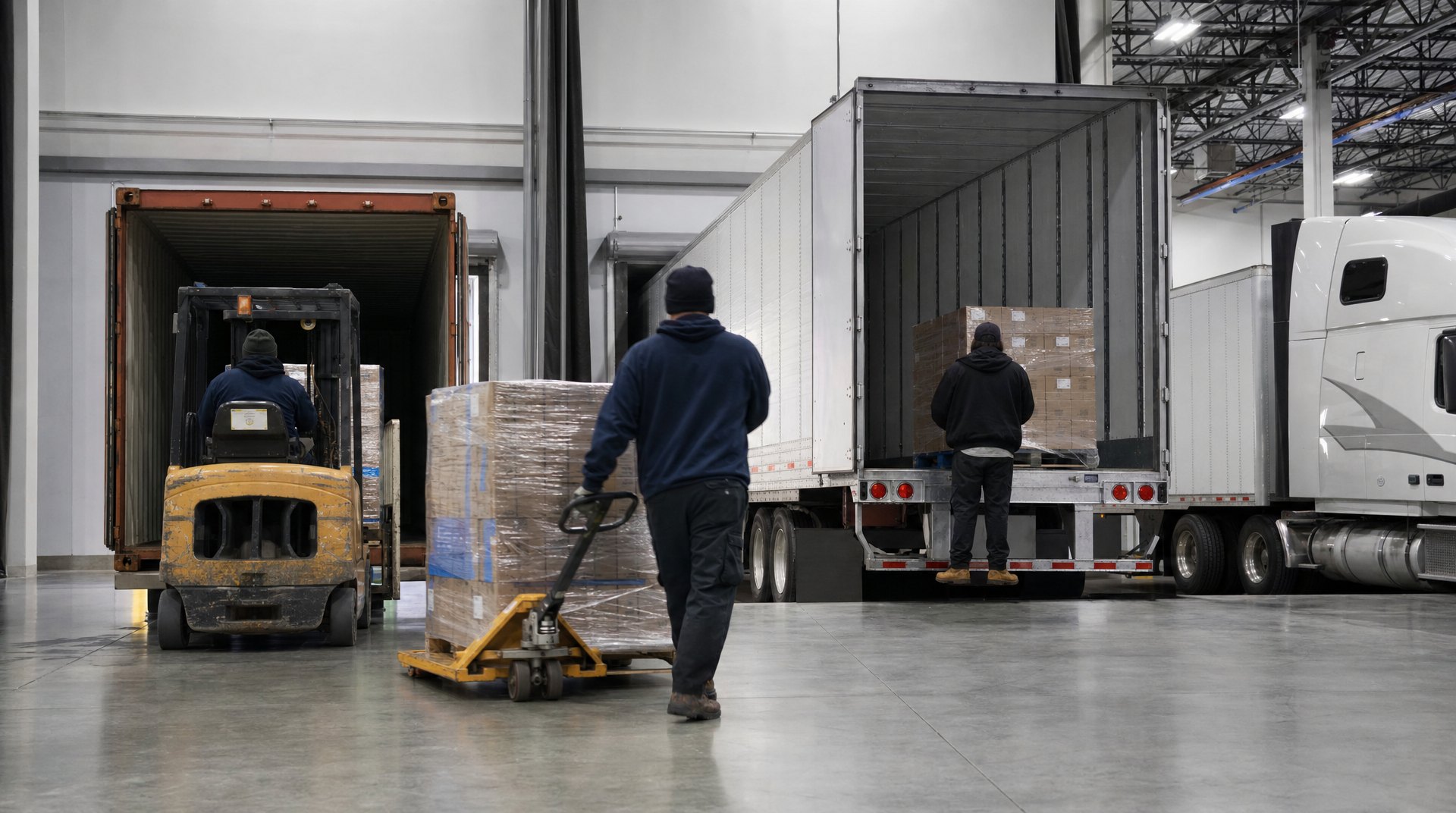
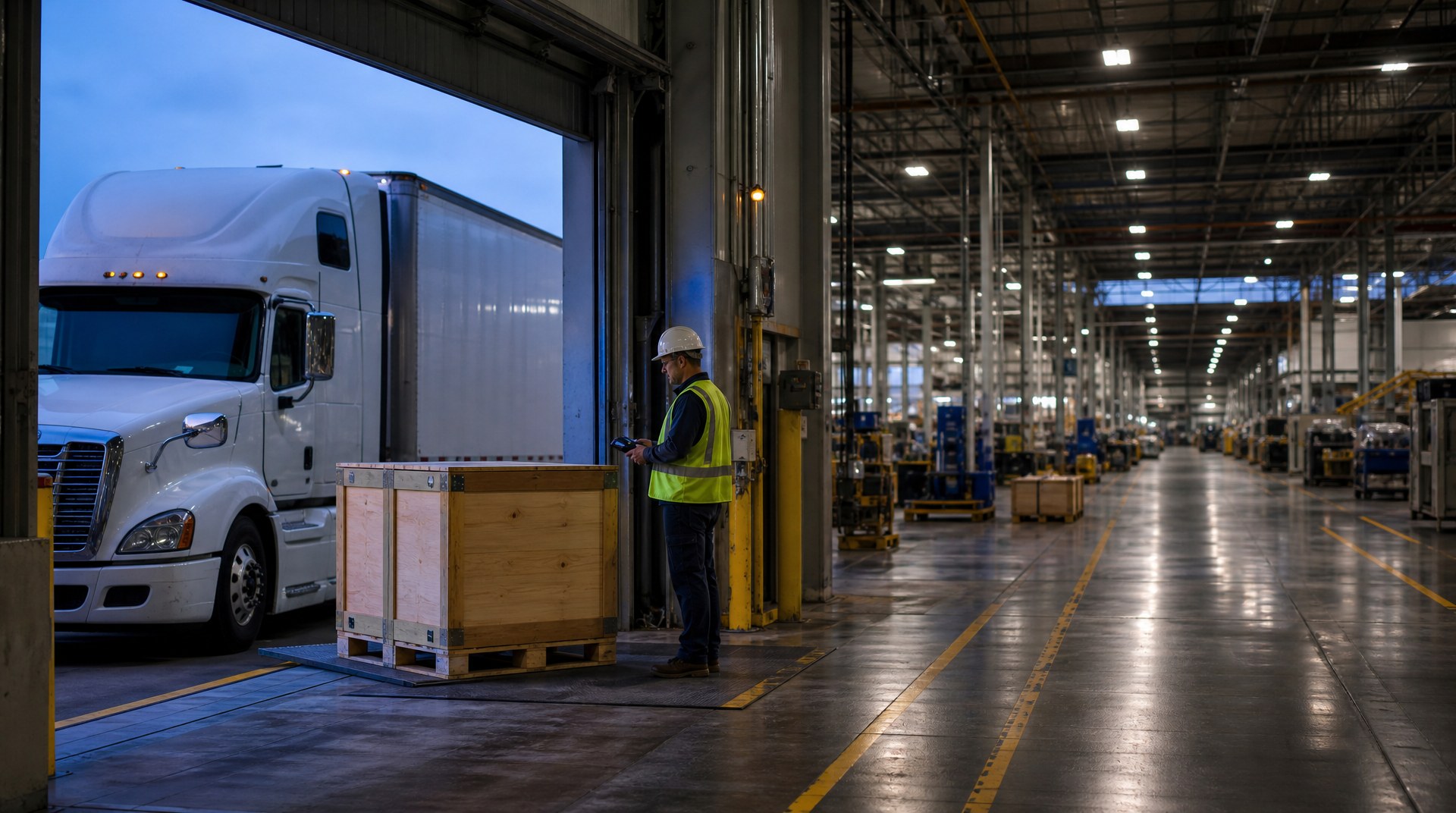
Between the gate and the line there are usually four transfers, and each one is a person who has to exist at that hour. The first is receiving: someone has to physically take the freight, and at 5:40 AM the dock may be staffed or may not, depending on whether anyone thought to ask. The second is the receipt transaction, because in most plants a part is not usable until it is booked in, and an unbooked crate sitting in the receiving lane is legally on the property but operationally invisible. The third is inspection, which is where a recovery most often stalls for a reason no one anticipated: if the part is subject to incoming quality control, it does not go to the line, it goes to a QC bench, and the QC bench may not have a person on it before first shift. The fourth is the physical move to the point of use, which sounds trivial until the crate needs a forklift, a crane, or two people, and the shift that has them starts at 7:00.
Any one of these can be pre-arranged in a two-minute phone call the night before. None of them can be fixed at 5:40 in the morning by the driver standing at the gate, and that asymmetry is the entire argument for treating the last two hundred yards as part of the freight plan rather than as somebody else’s problem.
The inspection hold nobody schedules around
Incoming inspection deserves its own paragraph because it is the one step that can consume an entire restart window while looking like standard practice, which it is. A production part arriving from an unfamiliar routing, in packaging that shows a rough trip, on a paper trail assembled at midnight, is precisely the shipment a quality process is designed to stop and look at. The hold is not obstruction; it is the plant doing the thing it is supposed to do. But a two-hour QC review that begins when the QC technician arrives at 7:00 is a two-hour delay that starts at the moment the line was meant to restart, and it turns a recovery that beat its window by eighty minutes into one that missed it by ninety.
The plants that avoid this are not the ones that skip inspection. They are the ones where somebody flagged the inbound the previous evening, so the QC coverage was moved rather than assumed, and where the documentation the inspector needs travelled with the part instead of arriving separately in an inbox. The freight side can influence both of those, and usually only if it asks the question early, while the part is still moving and there is still time for the answer to change something. What paying for speed actually buys depends almost entirely on whether this half of the chain was arranged in parallel or left to be discovered on arrival.
What to arrange while the part is still moving
The work on the plant side is small, cheap, and has to happen early, and it belongs in the freight plan rather than beside it: a desk running an expedited shipping recovery should be asking these questions while the part is still in the air. Confirm a named person who will take the delivery at the actual expected hour, not the shift that normally receives. Confirm that the receipt can be booked at that hour, or that the part can be released to the floor on an exception with someone authorised to grant it. Confirm whether incoming inspection applies and, if it does, whether a technician is covered or has to be called in. Confirm that the equipment to move the crate the last two hundred yards is available and that someone is licensed to operate it before first shift. Four confirmations, none of which takes more than a phone call, and together they are usually the difference between a part that is on the machine at 6:40 and one that is in a receiving lane at 7:20 with everyone waiting.
The reason these get skipped is not carelessness. It is that during the night the visible crisis is always the freight, and attention follows the thing that is moving. The border, the flight, the driver’s hours, the customs release: all of them generate updates and demand decisions, and the receiving dock generates nothing at all until the truck is standing in front of it. Structured manufacturing practice treats receipt and put-away as part of the production cycle rather than as an afterthought, which is the discipline that programmes such as the NIST Manufacturing Extension Partnership build into plant operating models, and it is the discipline that a night-time recovery quietly abandons under pressure.
Plan the last two hundred yards before the truck leaves
Three questions decide whether an on-time delivery becomes an on-time restart. Who physically takes the part at the hour it will actually arrive, and are they confirmed rather than assumed. Does the part need to clear a receipt transaction or an incoming inspection before it can go to the line, and is that covered at that hour. And what moves the crate the final distance, and is the person and the equipment there before the shift starts. Ask them while the part is still in transit and the last two hundred yards are twenty minutes. Ask them at the gate and they are the reason the line stays down through a morning that was already paid for. A recovery partner worth the call is the one asking about your receiving dock while the freight is still moving, not the one that considers the job finished at the gate. Map the plant-side handoffs with us before the next part is already on a truck.