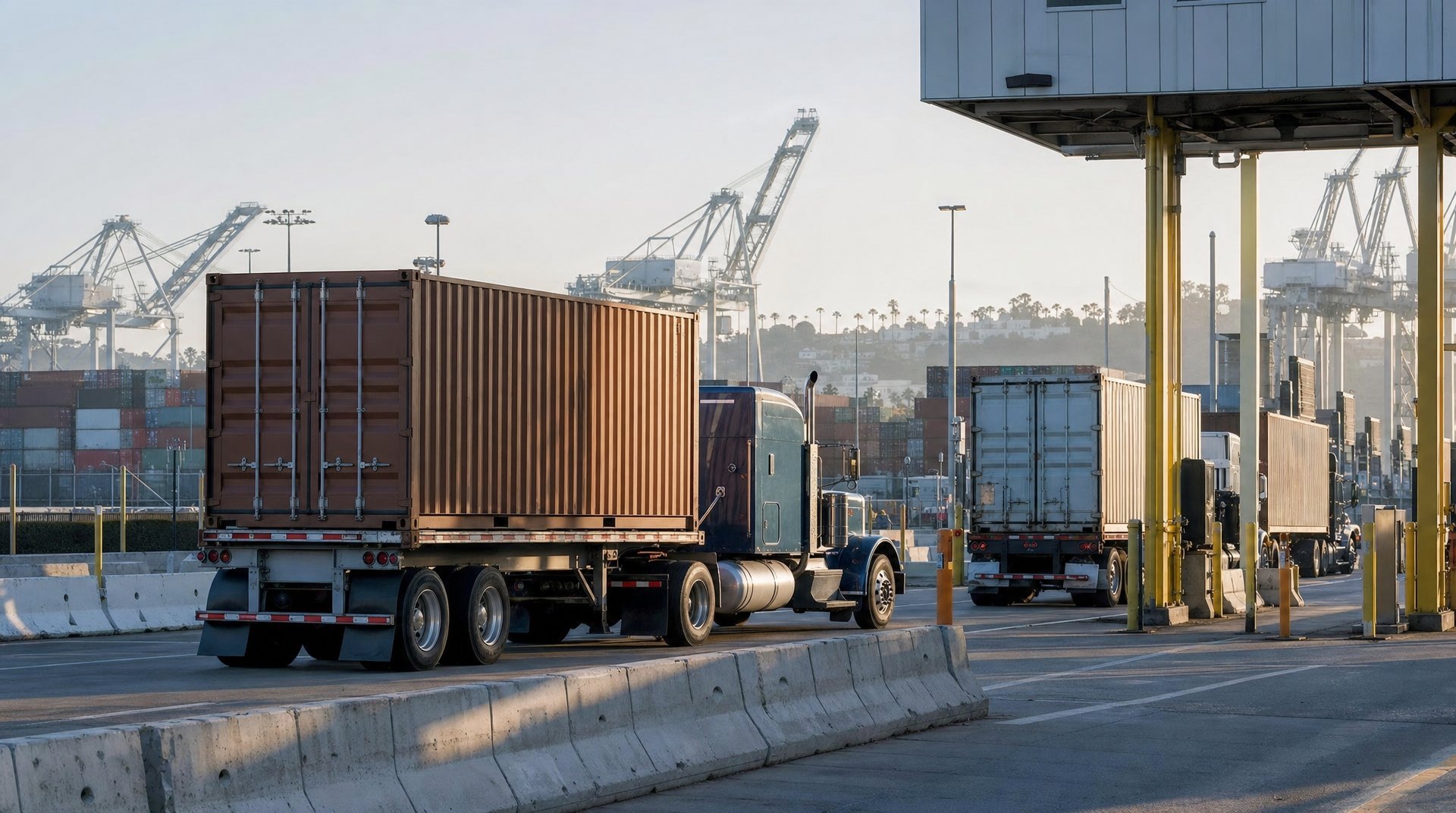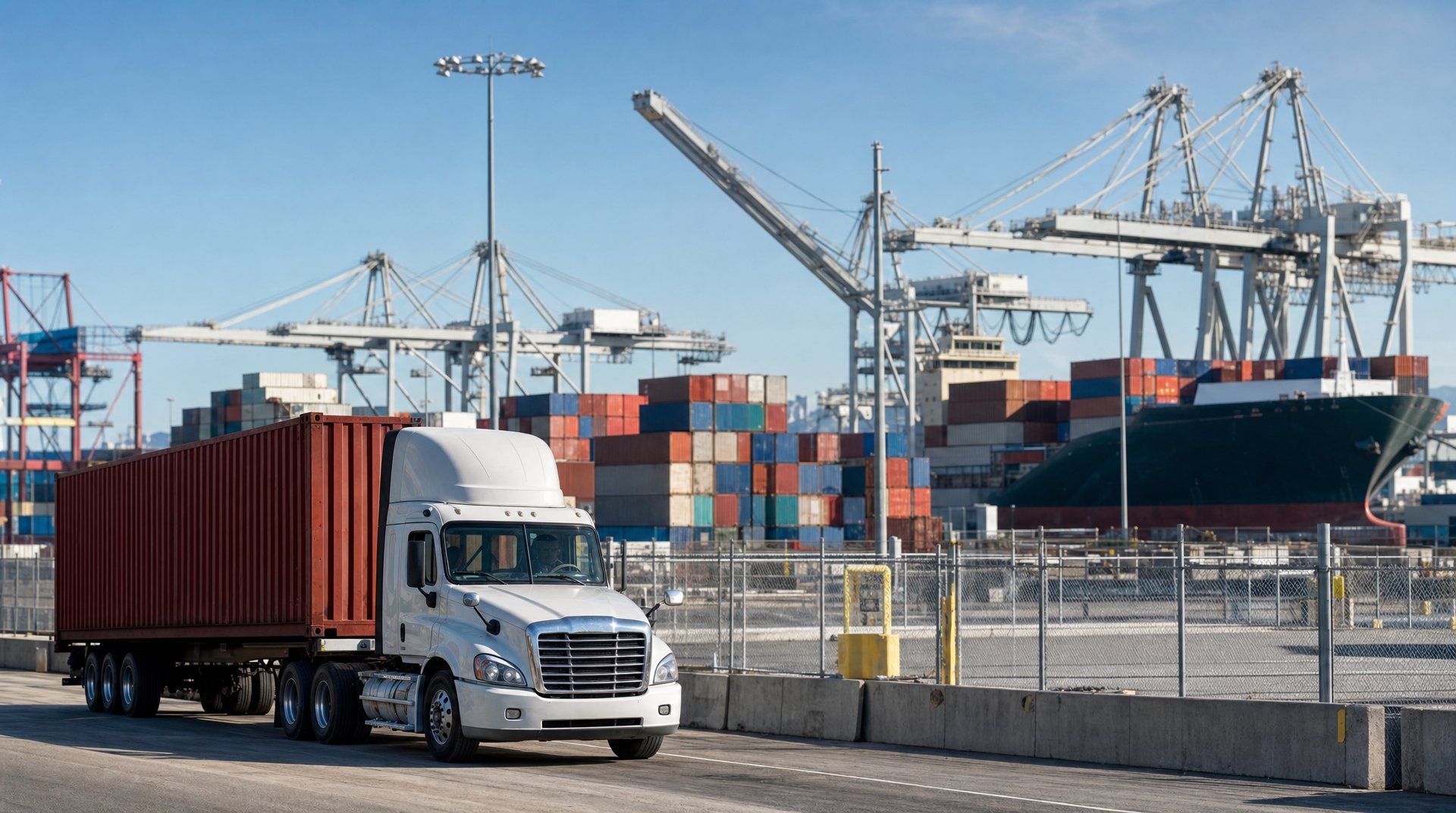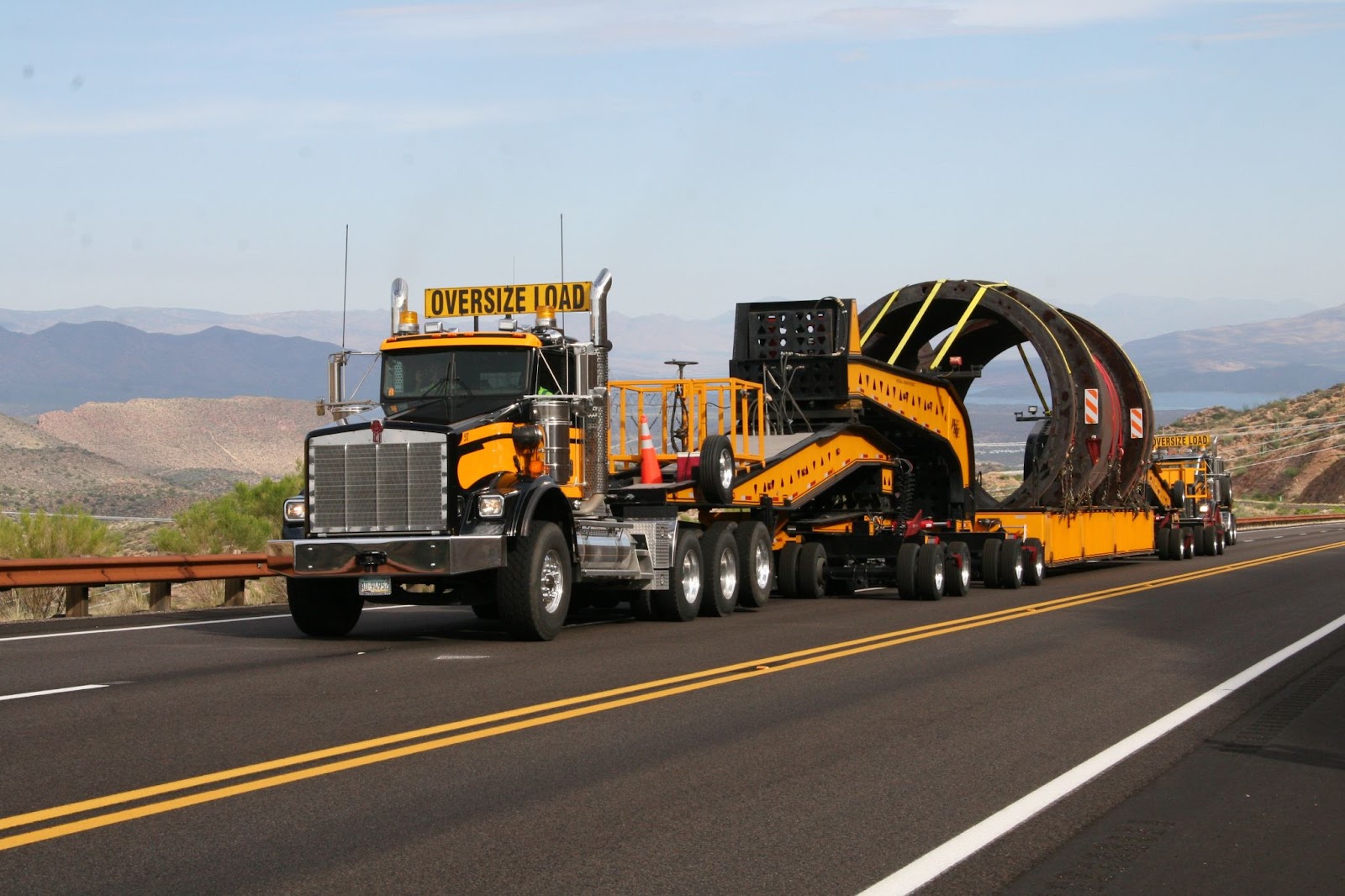
The charter lands at 2 AM. The line doesn’t move until 6.
The part is on the ground. A plant pays for the fastest option on the board, a charter or a next-flight-out, because the line is down and every hour it stays down costs more than the freight ever will. The part clears, gets to the dock at 2:10 in the morning, and then sits there. The line does not restart at 2:10. It restarts at 6, when the shift that can actually run it comes in. The four hours the charter bought were real, and they bought nothing, because the constraint at 2 AM was never the freight.
This is the part of expedited that does not show up in the quote. Speed buys transit time. Whether transit time turns into running time depends on a chain of things back at the plant that have nothing to do with how fast the freight flew. When the line is already down, the question is not how quickly the part can arrive. It is what has to be true for the part arriving to matter.
What expedited actually moves
Expedited freight does one thing well and honestly: it compresses the time between where the part is and where the line is. On a normal day that compression is the whole game, because the plant is running and the only missing piece is the part. The moment it lands, it goes on the line and the problem is over.
A line that is already down is a different situation, because the part is usually not the only thing missing. The shift may have been sent home. The changeover crew may be on another cell. The incoming part may need an inspection that only runs on days. Expedited solves the transit problem completely and the restart problem not at all, and on a down line the restart problem is the one that is actually holding the clock.
The part is at the dock. Does the line run?
Before paying for the fastest option, it is worth walking the same path the part will walk once it lands, because that is where the saved hours either convert or evaporate.
Expedited buys you arrival time. Whether arrival time restarts the line depends almost entirely on things that have nothing to do with the freight.
The cost that justifies the charter, asked correctly
None of this is an argument against paying for speed. The cost of a stopped line is the number that makes a charter look cheap. For the small and medium manufacturers who run lean, with little buffer between the dock and the line, a down line is the day’s build that does not ship. It is usually large enough that the freight bill is a rounding error against it, which is exactly why the plant reaches for the fastest option without much hesitation. The instinct is right. A down line is the one freight cost where spending more to save hours almost always pencils out.
The trap is paying for hours the plant cannot use. Compressing transit from sixteen hours to six is worth a great deal when the line can consume the part at hour six. It is worth nothing when the line cannot touch it until hour twelve for reasons that sit inside the plant, not on the freight lane. The charter still costs the same. The saved hours just have nowhere to go. The right question is not how fast can it get here. It is how fast can we actually run it once it does, and pay to compress transit down to that point, not past it.
When expedited is exactly right
There is a clean version of this, and it is common. The line is staffed and idling, the part needs no gate before it runs, and it is the single thing the cell is waiting on. In that case the math is not close. Every hour shaved off transit is an hour of production recovered, the expedited freight earns back its premium before the part is even unwrapped, and the only mistake would be moving too slowly. Expedited is not the wrong call. It is the conditional call, and the condition is whether the plant can consume what speed delivers.
The forwarders worth their rate on a down-line move are the ones who ask the plant the three questions before quoting the charter, not after the part is already in the air. The same way the desk that owns an airport recovery decides who can actually move the freight, the desk worth calling on a line-down event is the one that maps the restart before it sells you the speed.
Decide what the part arriving actually changes
Three questions decide whether the fastest option on the board is worth what it costs, and all three live at the plant, not on the freight lane. Is the line staffed to run the part when it lands. Does anything stand between the dock and the line, like an inspection that only runs on days. And is this part the only thing the line is down on, or just the one that is easiest to expedite. Answer those and the charter either becomes obviously worth it or obviously the wrong lever. Walk a down-line move through with someone who asks what the part arriving actually changes before quoting the fastest way to get it there.