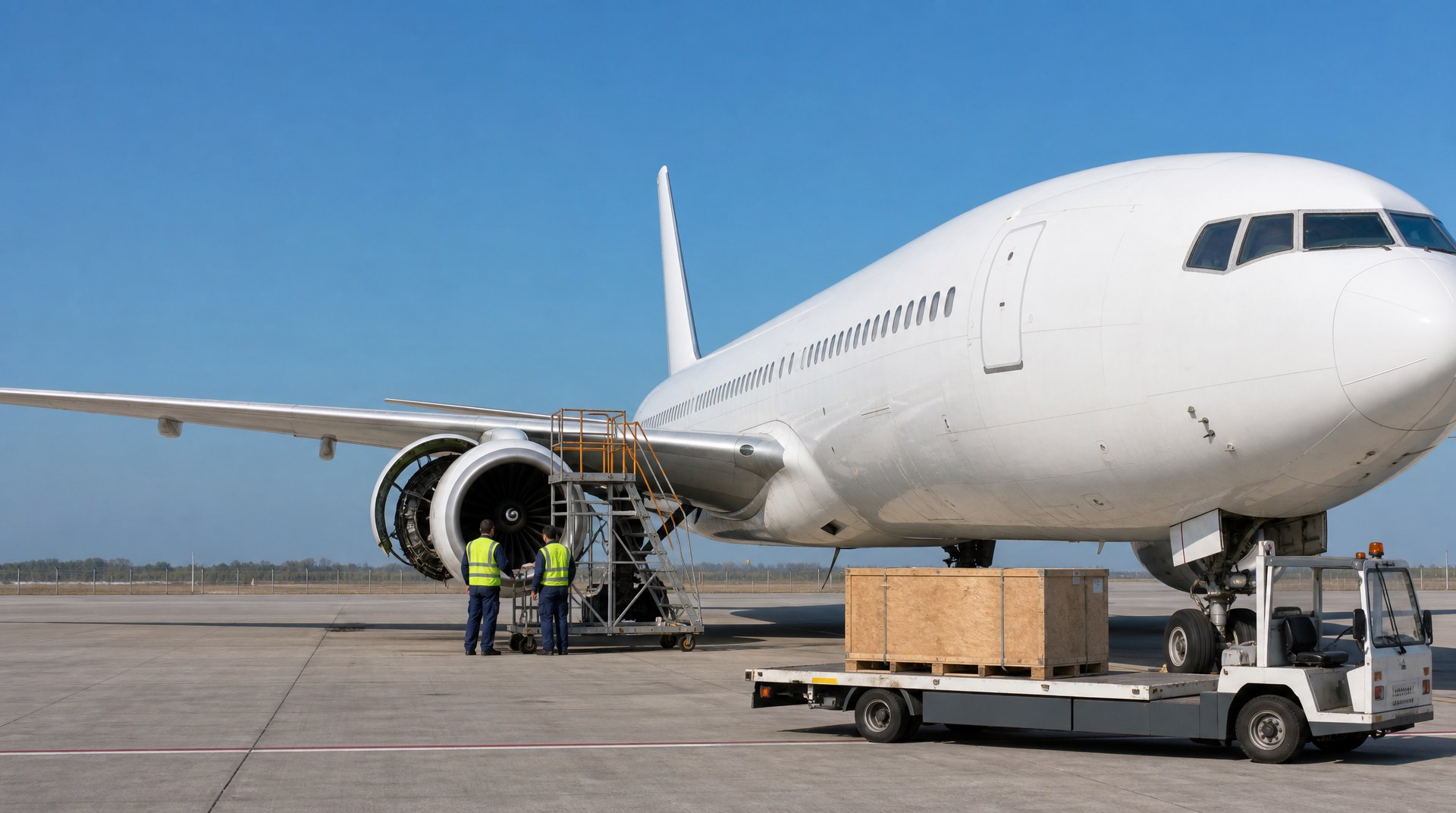
The shipment came off the plane at 11:23 AM
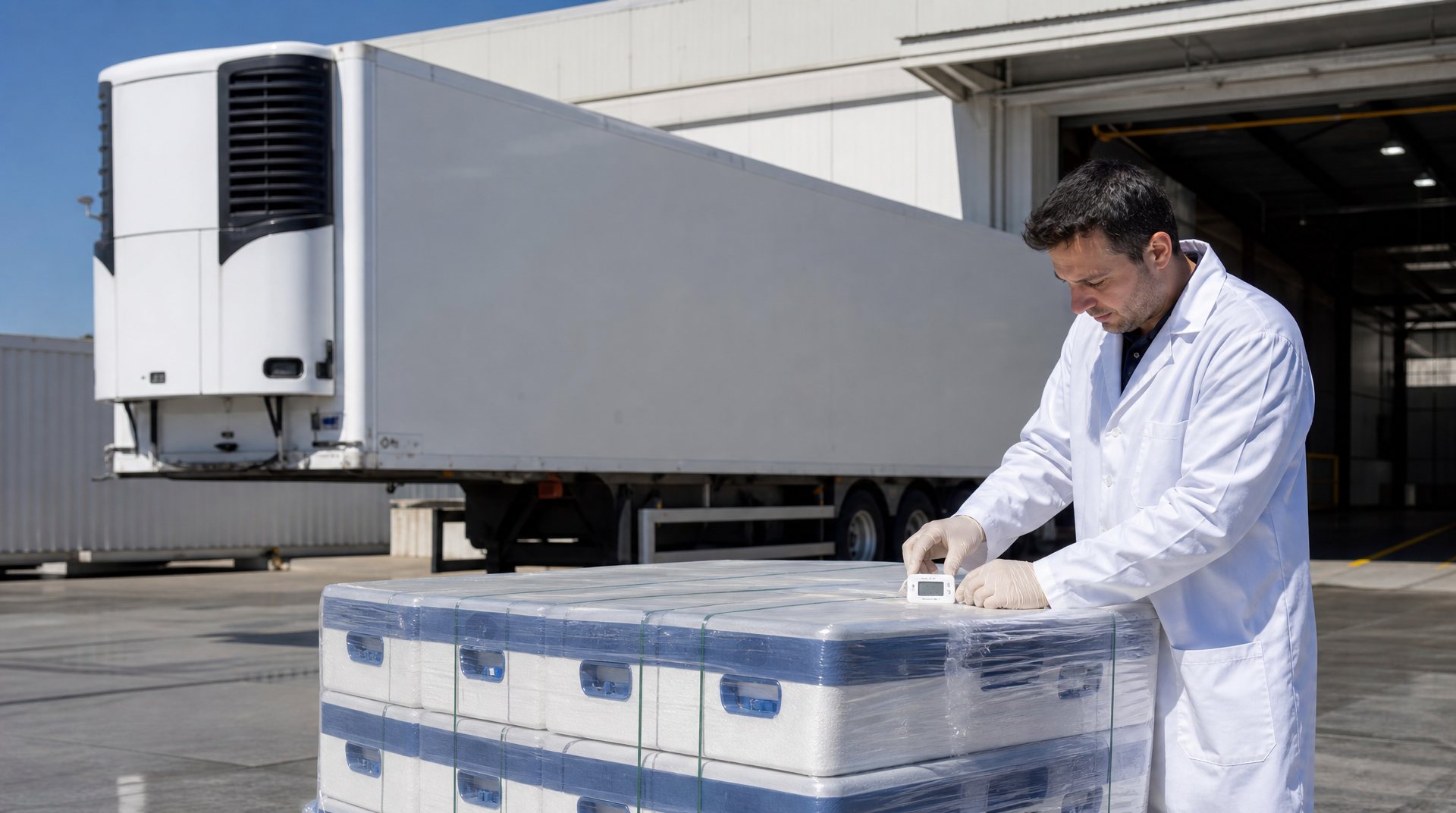
The forwarder’s tracking confirms the flight landed on schedule. The pallet — temperature-controlled biologic, 2-8°C, validated active container with internal logger — is on the tarmac queue waiting for ground handling pull. The airline’s published handling window for this freight class is 90 minutes from wheels-down. The container’s documented temperature stability under the manifest conditions is 96 hours from the last gel-pack reset, which happened at origin 31 hours ago.
The math says the freight is fine. The math also says the freight will continue to be fine for another 65 hours. Neither of those is what the forwarder has to decide.
The decision is whether the freight, once it has been on the ground in airport handling for an unverified period during the queue, is still releasable to the consignee under the temperature integrity standards the consignee’s QA group will apply on receipt. That’s a different question than whether the math says fine.
Why airport queue time is operationally invisible
The airline reports temperature performance during the flight. The active container’s internal logger records actual temperature on a continuous interval. What neither of those covers cleanly is the time between the flight’s documented landing and the moment the pallet is pulled into a temperature-controlled ground recovery environment. That gap is the airport queue. Depending on the terminal, the ground handler’s staffing, the priority of the inbound aircraft, and the freight class, the queue can run from 20 minutes to four hours.
During the queue, the active container is performing as designed — it’s a validated unit, the gel packs are in spec, and the internal logger is recording. What’s not being recorded is the ambient environment during the queue. If the tarmac was 91°F and the pallet sat outside the air-conditioned ground handler’s freight zone for 90 minutes, the active container absorbed that ambient load. The internal temperature held because the unit was designed to hold it. But the validation record now has a gap.
The consignee’s QA group, on receipt, looks at three things: the internal logger’s continuous record, the chain-of-custody timestamps, and any environmental documentation for the period between flight arrival and ground recovery. If the third one has a gap of unknown duration in unknown ambient conditions, the QA review escalates regardless of what the logger shows.
The two recoveries the forwarder is choosing between
Recovery option one: pull the pallet, run it directly to the consignee’s receiving dock, present the documentation as it stands, and let the QA group make their release call. The forwarder is betting that the gap in environmental documentation will be acceptable on the basis of the internal logger record. Sometimes that bet pays — the QA group reviews the logger, sees no excursion, releases the freight. Sometimes it doesn’t. The gap gets flagged, the freight goes on hold, and the consignee absorbs handling time they hadn’t planned for.
Recovery option two: pull the pallet, run it to a temperature-controlled facility, perform a documented hold period under controlled conditions to establish a clean environmental record, reset the logger if the unit’s protocol allows, and then move to the consignee with documentation that closes the gap. This is the conservative move. It takes longer — usually 4 to 8 hours of additional handling — and it costs more, but the documentation arrives clean. The freight may or may not have been at risk, but the receipt-side review is shorter because the gap doesn’t exist.
Neither option is obviously correct in advance. The right call depends on the freight characteristics, the consignee’s QA posture, the contract terms that govern handling, the dollar value of a release delay versus the cost of the conservative recovery, and operational details that vary by shipment.
Who actually owns the call
The forwarder owns the call. The shipper authorized the move, the consignee will receive the freight, and the airline transported it — but at the moment the pallet is on the ground in airport handling, the forwarder is the party with operational visibility, recovery capacity, and contract responsibility for the chain-of-custody integrity. The recovery decision is theirs to make and theirs to defend.
That ownership is part of why forwarder coverage handles a cold-chain queue gap differently from a brokered move. A brokered cold-chain shipment that hits a documentation gap at the airport is usually escalated to the shipper for direction because the broker doesn’t have authority to make a release-versus-hold call on biologic freight. The escalation costs time. A shipper who isn’t on-site, reading partial information from off-airport, rarely makes that call quickly.
The forwarder who handles cold-chain biologic regularly has the operational authority pre-established with the shipper and the experience to read the gap. The decision moves faster because nobody has to ask who owns it. The call itself isn’t easier. The QA outcome is still unknown at the moment of the call, and the forwarder is still deciding under the same partial information. The recovery operator working under the forwarder is providing temperature-controlled equipment, documented handling, and a chain-of-custody record that supports either recovery option — but is not making the release-versus-hold call. That’s not their decision to make.
The handoff to LF in this scenario
What an airport-side recovery operator brings to this decision isn’t the decision itself. It’s the operational capacity that makes both options actually available. Specifically: a temperature-controlled vehicle staged for short-window airport pickup, a documented holding facility within reasonable transit distance, a chain-of-custody documentation system that the consignee’s QA group will accept on first review, and the airport-side relationships to pull the freight inside the airline’s recovery window without delay.
If the forwarder calls option one — direct to consignee — the recovery operator runs that move with documentation that supports the forwarder’s release case. If the forwarder calls option two — controlled hold, then move — the recovery operator runs that sequence with documented temperature integrity throughout. Both are operationally available because the infrastructure was in place before the queue happened. Neither one requires the forwarder to assemble equipment or facility access on the call.
The decision stays with the forwarder. What gets handed off is the capacity to actually run either path. Cold-chain airport recovery isn’t validated by claiming temperature compliance — it’s validated by the documentation the consignee’s QA group will see at receipt.
What the QA group reads on Monday morning
The freight arrives at the consignee. The receiving QA review pulls the airway bill, the internal logger record, the chain-of-custody documentation, and any environmental records covering the airport-handling period. If those records form a continuous chain — flight performance documented, queue period accounted for or covered by a controlled-hold record, ground transit documented under temperature control — the release happens inside the standard receipt window. The freight enters consignee inventory. The day continues.
If there’s a gap, the QA review opens a non-conformance file. The freight is held pending investigation. Sometimes the investigation closes quickly with a release decision based on the logger data. Sometimes it doesn’t, and the lot has to be either retested, recertified, or in some cases destroyed. The cost difference between the clean documentation arrival and the non-conformance investigation isn’t on the recovery move — it’s downstream of receipt, in handling that the forwarder doesn’t see directly but absorbs through the consignee relationship.
The decision that doesn’t come back clean
The hardest part of cold-chain airport recovery isn’t the temperature management. The active containers are validated for the conditions and the logger records support most release decisions. The hardest part is that the forwarder has to make the recovery-versus-hold call before the QA outcome is knowable. The information that would resolve the call cleanly — what the QA group will accept — isn’t available until receipt. The forwarder picks a path on partial information and the freight runs.
The forwarder who runs this regularly with a recovery operator that supports both paths cleanly has more options on the call. The forwarder with only one workable path is making it without options. Build airport-side cold-chain recovery that supports either decision before the queue starts.