The pallet stopped being recovery freight on Wednesday morning
The shipment came in on the Monday night flight. The forwarder’s recovery operator had a driver assigned for Tuesday afternoon pickup, which is the standard window for that lane. The driver got pulled to a higher-priority recovery and the pickup pushed to Wednesday morning. By the time the rebooked driver arrived at the airline’s ground handling warehouse, something inside the carrier’s system had shifted.
The freight hadn’t moved. It was sitting on the same rack, in the same warehouse, under the same tracking number. But the categorization in the airline’s operating system had crossed a line. Tuesday morning the shipment was still tagged as active recovery — handled by the recovery desk, prioritized for pickup, eligible for the after-hours coordination the forwarder had used on similar shipments before. Wednesday morning the shipment was tagged as warehouse inventory. Same pallet. Different posture from the people working the airline’s ground operation.
Most forwarders don’t see this happen because the freight looks identical from outside. The inside view is what changes.
What the categorization shift actually does
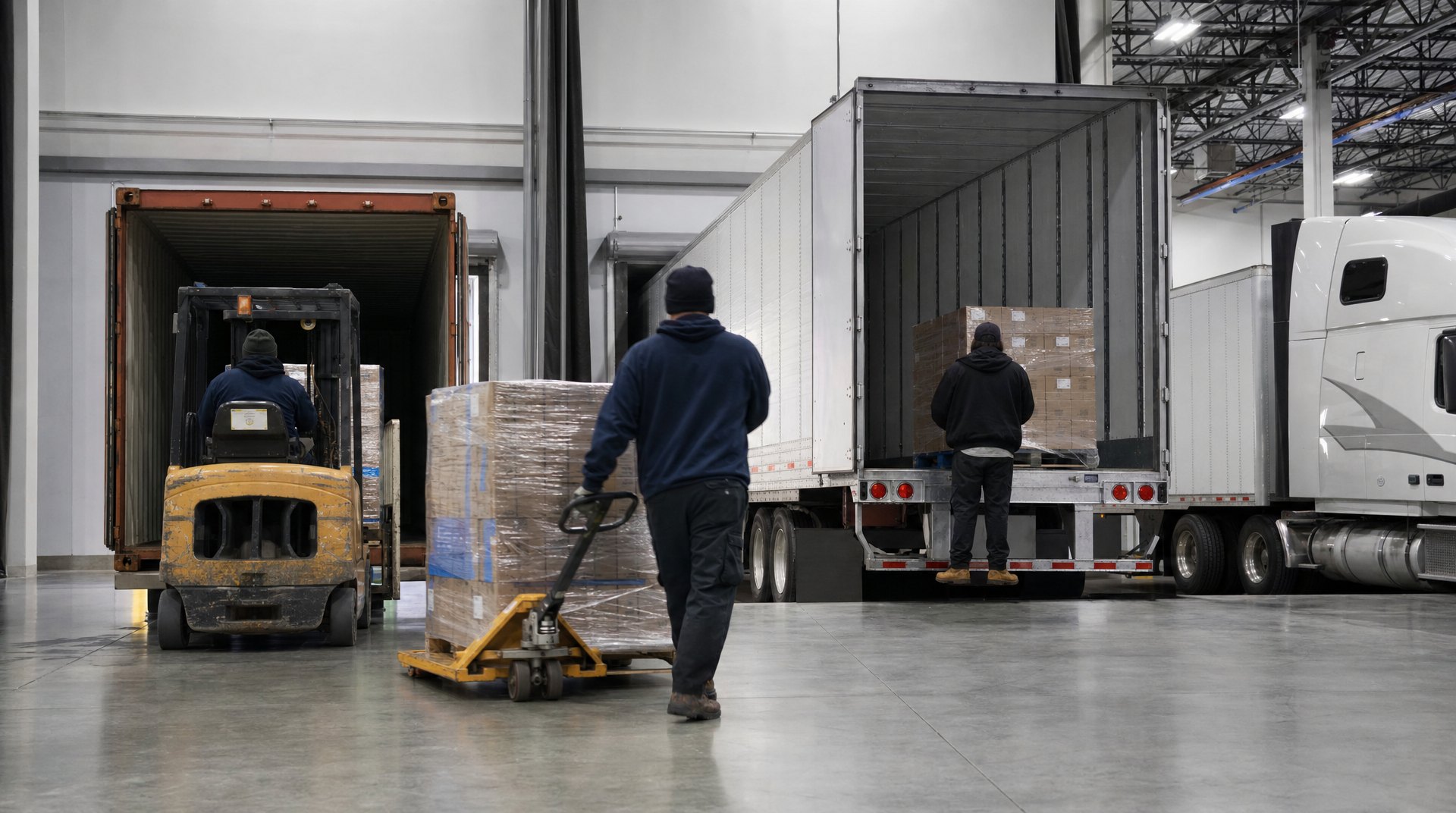
The airline’s recovery desk is staffed by people whose job is to clear inbound freight off the warehouse floor inside the contractual free-time window. They know which shipments are time-sensitive. They have direct phone numbers for the major forwarder accounts. They can authorize after-hours pulls and counter releases. When the forwarder calls about a shipment that’s still classified as active recovery, the recovery desk picks up, finds the pallet on the floor diagram, and gets the pickup queued.
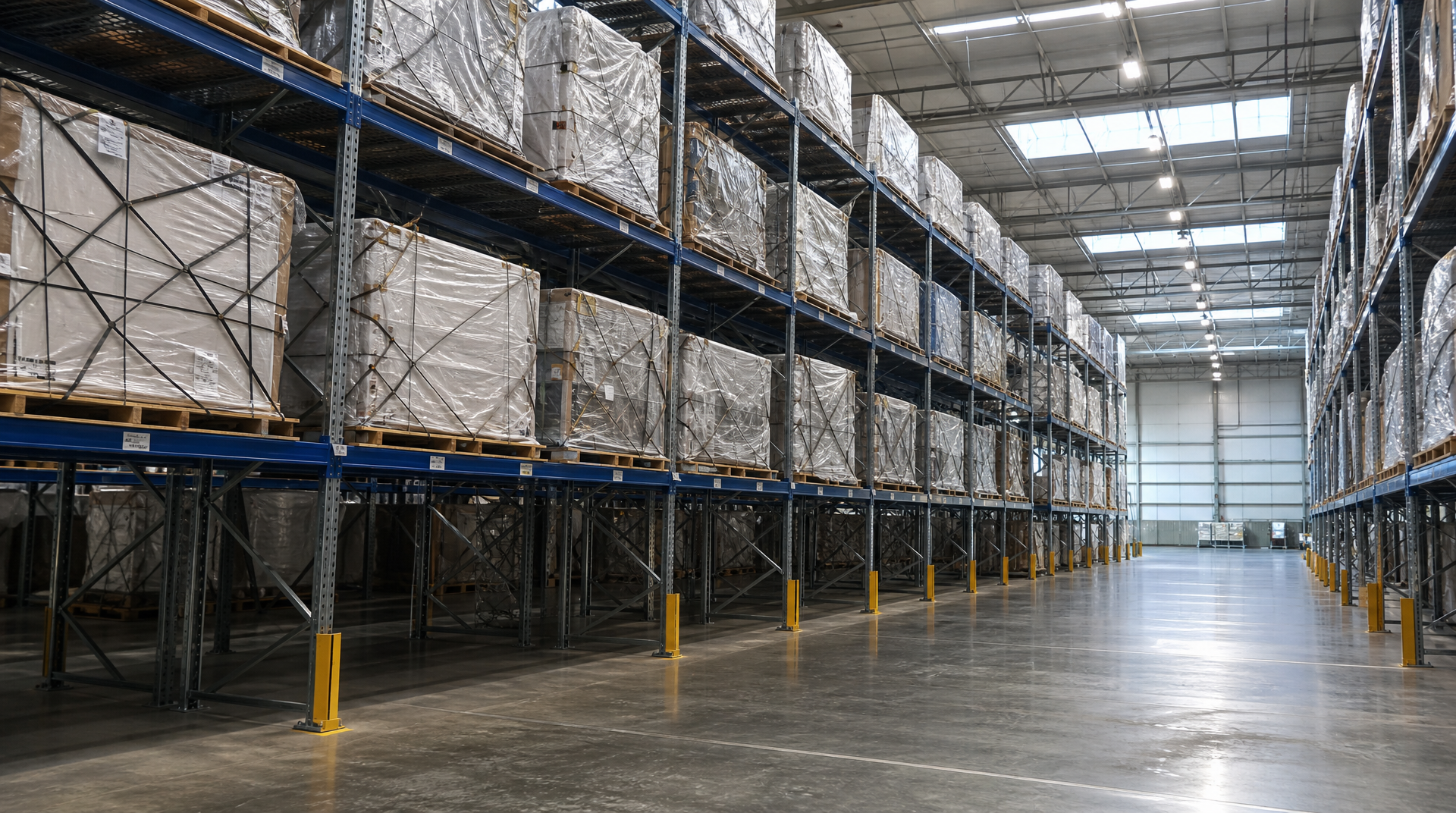
The warehouse inventory desk is a different desk, often a different building, sometimes a different vendor under contract to the airline. The inventory desk’s job is to manage freight that has aged out of the recovery window and is now occupying paid floor space until the consignee or their agent retrieves it. The inventory desk handles pickups by appointment. They don’t expedite. They don’t run after-hours releases. They don’t have direct lines to the forwarder accounts because their throughput economics are different.
The forwarder calling Wednesday morning about a Monday-night arrival reaches a phone number that didn’t change, talks to a person whose script and authority did. The pickup that would have been a 30-minute conversation on Tuesday is now a same-day appointment request that may not get confirmed until Thursday.
Where the leverage went
While the freight is in the recovery window, the forwarder’s leverage is the airline’s interest in clearing floor space. The recovery desk wants the pallet gone. The forwarder wants the pallet gone. Their interests are aligned, and the operational pace reflects that.
Once the freight crosses into inventory, the airline’s interest changes. The pallet is now generating storage revenue at the inventory tariff. The longer it sits, the more the airline collects. The forwarder still wants the pallet gone, but the airline’s operational pace is no longer aligned with that timeline. The leverage shifts from “we both want this resolved fast” to “you want this resolved fast and we’re indifferent.”
That’s not malice. It’s the natural posture of a warehouse operation managing thousands of pallets across multiple service tiers. The shipment that aged into inventory is now in a queue with shipments that have been there for weeks. Pickup priority resets. Document handling resets. The relationship the forwarder built with the recovery desk doesn’t follow the freight into the inventory desk’s queue.
The signs the forwarder can read before it happens
The categorization shift usually happens at a specific point in each airline’s operating cadence. For most major carriers, the shift triggers somewhere between 48 and 72 hours after physical arrival, with the exact threshold varying by terminal and by service class. The forwarder who’s worked the same airport with the same airline regularly knows where that threshold sits and treats the 12 hours before it as a hard deadline regardless of whether the consignee has expressed urgency.
The signal that a shipment is approaching the threshold is usually visible in the airline’s tracking interface — the status code shifts, or the floor location changes from the recovery zone to a long-term storage rack, or the recovery desk stops returning calls inside their normal response window. Most forwarders register one or more of those signals as friction without reading them as a warning. The shipment then crosses the line and the operational difficulty of recovery doubles in the next 24 hours.
Reading those signals earlier doesn’t keep the shipment from being subject to the airline’s aging cadence — the cadence runs regardless. What earlier reading produces is a few more hours inside the recovery window before the categorization shift takes the conversation out of the forwarder’s hands. Sometimes those hours are enough to clear the pickup. Sometimes the driver who would have made the difference is on a higher-priority recovery that has to be cleared first. The signal is read and the freight still ages out.
What the recovery sequence looks like once the freight has crossed
Recovering inventory-tagged freight isn’t impossible — it’s slower, more expensive, and procedurally different. The forwarder calls the inventory desk, requests a pickup appointment, and gets a window assigned that may be one to three business days out depending on terminal congestion. The driver presents at the assigned window with documentation that the inventory desk reviews before authorizing the pull. The pull itself takes longer because the freight may have been moved to a back rack to free up recovery-zone space for incoming shipments.
If the consignee or the freight characteristics require expedite, the forwarder can request a rush pickup at a tariff that varies but is typically several multiples of the standard pickup fee. The rush request still has to clear the inventory desk’s scheduling, which means the speed advantage is bounded by their operational throughput, not by what the forwarder is willing to pay.
The forwarder’s leverage at this point is largely commercial — paying the rush rate, escalating to the airline’s account manager if there’s a contract relationship, or accepting the standard appointment timing. None of those options puts the freight back into the recovery posture it had on Tuesday. They just navigate the inventory posture more efficiently.
The conversation with the consignee
The hardest part of an inventory-classification recovery is usually the consignee call. From the consignee’s view, the freight arrived Monday night and it’s now Thursday and the pickup hasn’t happened. The forwarder has been on the phone with the airline through that whole window, but the operational explanation — that the freight crossed a categorization threshold that the forwarder reads but the consignee doesn’t — isn’t a satisfying answer.
The honest version of that call describes what actually happened: the recovery window closed before pickup could be coordinated, the freight is now under different handling priority, and the appointment is set for a specific time that the forwarder can’t move forward without the rush tariff. The consignee then makes a commercial decision about whether the rush rate is worth the time savings or whether the appointment timing is acceptable. That’s a call the consignee should make on accurate information, not on a softer reframing of the situation.
What pre-empting the shift actually requires
Forwarders who lose fewer shipments to the categorization shift aren’t avoiding it through superior process. They’re losing fewer because they’re picking up faster on average, or because they’re escalating earlier when the threshold approaches, or because they have a working line into the recovery desk that returns calls inside business hours. None of that prevents the shift from happening when a driver gets pulled to a higher-priority recovery on the day the threshold lands. It just makes the shift less common across the book.
The pickup that lands inside the recovery window is a different commercial product than the pickup that lands after the categorization shift, even when the freight, the lane, and the consignee are identical. An airport recovery desk working that cadence from the inside is reading the same tracking interface as the forwarder, interpreting different signals from it, and still occasionally absorbing a shift that nobody could have moved fast enough to prevent.
The shipment that didn’t have to cross
The shipment that stays inside the recovery posture has the forwarder coordinating Tuesday afternoon pickup with the recovery desk, the driver presenting at the assigned dock, and the freight moving inside the airline’s free-time window. No appointment system, no rush tariff, no Thursday call to the consignee. The cost difference between the shipment that stays in posture and the one that gets reclassified is rarely just the storage tariff. It’s the customer relationship friction that the forwarder absorbs when a shipment they were managing crosses a line they didn’t see coming. Hand the airport-side recovery to a desk that’s watching that threshold before it lands.