The flight landed six hours ago and nobody can put a hand on the freight
The tracking record says arrived. The driver is at the terminal. The counter cannot find the shipment, and the number on the airline’s website reaches a call centre in another time zone that reads back the status you are already looking at. The freight is not lost. It is somewhere inside a few hundred thousand square feet, and the problem is not that it is missing, it is that nobody has asked the right question standing in the right place.
This is one of the most expensive hours in air freight recovery precisely because it does not look like an exception. Everything reads normal. Arrived is a real status, the freight really did arrive, and the gap between arrival and a driver leaving with it can run most of a day without a single error anywhere.
The building is not run by the airline whose name is on the booking
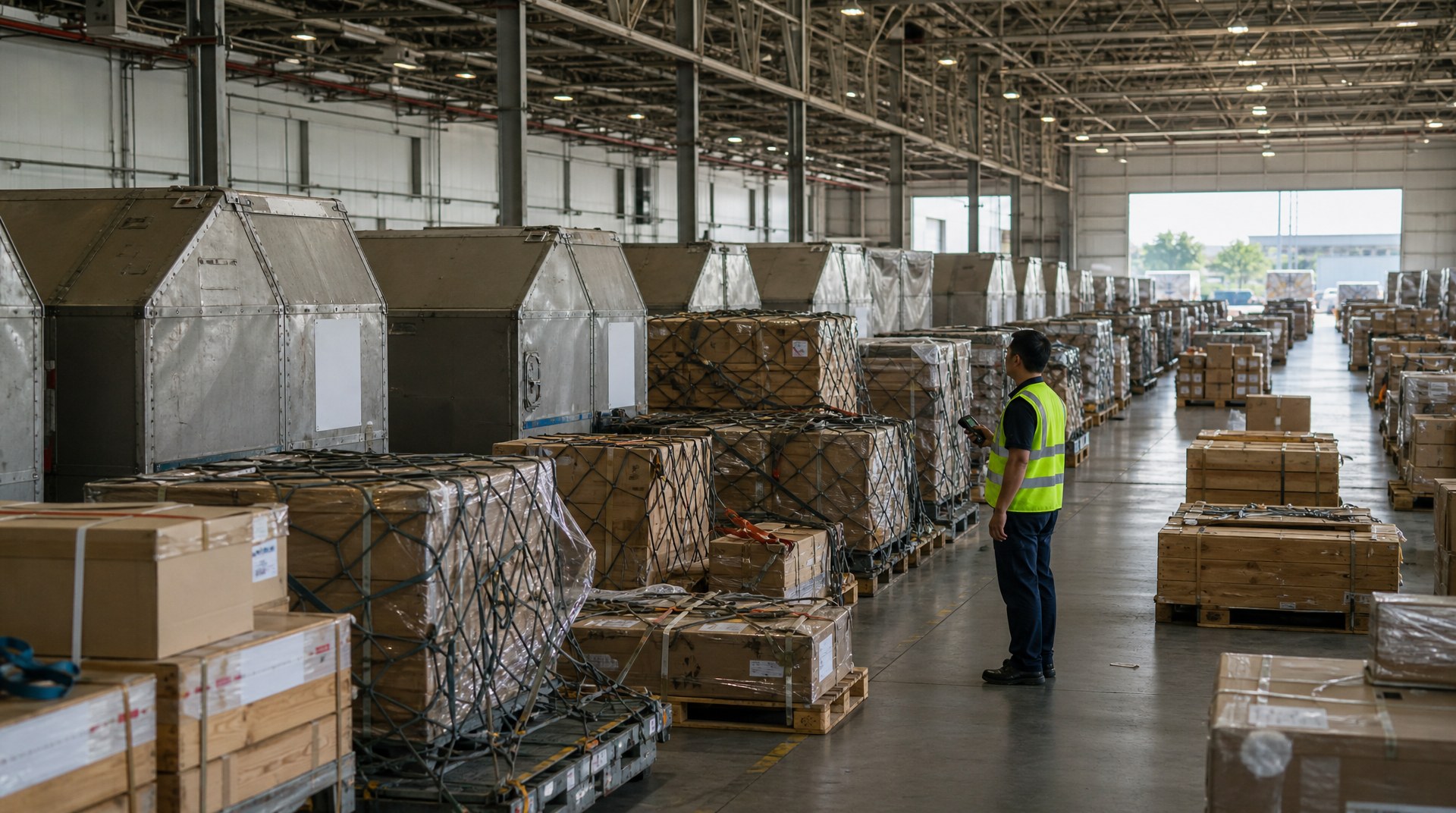
What resolves most of these situations is knowing who physically holds the freight. At many airports the airline does not operate its own cargo terminal. A ground handler does, often under contract to several carriers at once, from a building with its own name, hours, document requirements and counter. A driver sent to the airline’s address may be at the wrong building entirely, and the airline’s tracking will report the shipment as arrived while a third party has custody.
So the question is not where is my freight. It is which handler has it, in which building, and what are their release hours. Those three answers turn an open-ended search into a twenty-minute collection, and they are available before the flight lands.
Release hours are not the same as the building being open. A terminal can run around the clock for import breakdown and export acceptance while the document counter that releases freight to a trucker works a shorter day. A driver arriving in that gap stands outside a fully staffed building, being told to come back, which is one of the more demoralising ways to lose four hours.
Your reference number may not exist to the people holding the freight
The second common cause is a mismatch between the number you quote and the number the terminal indexes by. On a consolidated move, individual shipments travel under house air waybills issued by the forwarder, while the airline and its handler know only the master air waybill covering the consolidation. A driver arriving with a house number quotes a reference the counter has never seen, and the counter is not being obstructive when it says there is no such shipment.
The master number resolves it immediately, and it belongs on the delivery order every time, not only when something goes wrong. Carrying both numbers costs nothing and removes an entire category of dead end at the counter. The air waybill is the industry’s shared identifier for exactly this reason, and the standards work behind it sits with IATA’s cargo programme. Where a shipment has been deconsolidated off airport, the location question changes again and the same principle applies: find out who holds it, then under which number.
Freight that arrived in pieces, on different flights
The third situation is genuinely partial. A consignment booked as one shipment can split across two flights when the first aircraft runs out of payload, and the arrival message may cover only part of it. The terminal has some of your pieces and waits on the rest, and depending on the handler the shipment may not be released at all until it is whole.
That is a decision point, not a delay. Taking what has arrived and collecting the balance later is often the right call, the same reasoning that applies to residual pieces on a split shipment. What makes it hard at 6 AM is that the driver has no authority to accept a short delivery, so the decision has to be made before dispatch.
Send a person, and know what to ask them to do
This problem persists because it cannot be solved remotely past a certain point. Phone systems report status. They do not walk into a breakdown area and look. Once the paper trail is exhausted, what resolves it is somebody at the right counter with the master air waybill, the flight number, the piece count and the authority to accept the freight, and that is a different capability from a scheduled driver.
A ground team that works the airport regularly knows which handler serves which carrier, which counters open at what hour, and who to ask when the counter says no. That local knowledge is most of what an airport recovery service is, and it is the part that cannot be bought at short notice from somebody who has never worked that building.
Once the freight is on the truck the problem becomes ordinary, the situation described in an overnight run after a late release. Getting it onto the truck needs someone standing in the building with the right number in hand.
Ask three questions before the flight lands
Three answers prevent almost all of this. Which company physically holds the freight, in which building, and what are their release hours at the hour you plan to collect. What is the master air waybill number, and is it on the delivery order the driver carries. And has the shipment moved past received from flight to notified, the only status that means a driver can load. Ask them while the aircraft is in the air and collection is a scheduled task. Ask them at the counter at 6 AM and you are searching a warehouse by telephone.
Get the handler and the master number confirmed before dispatch.