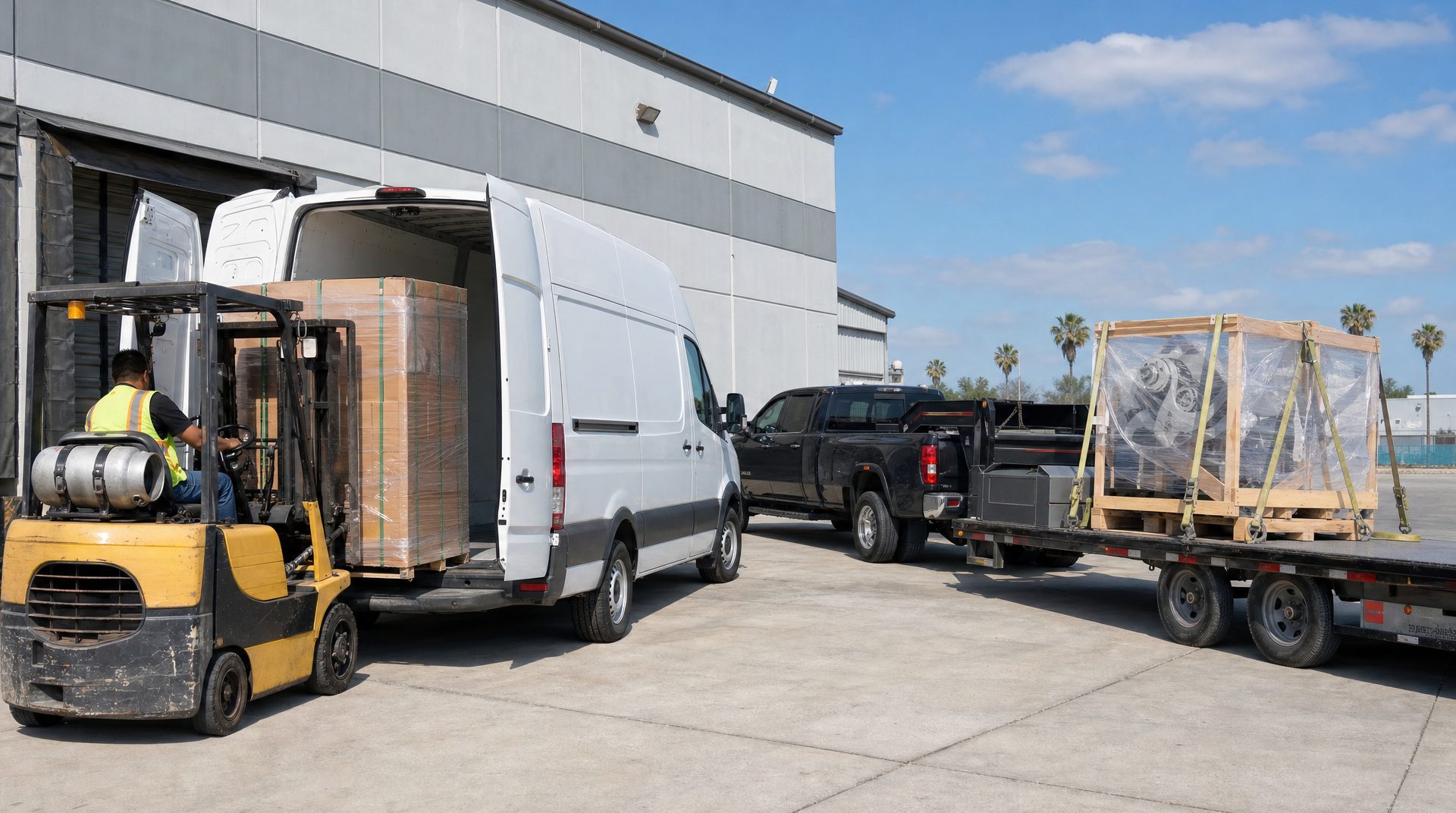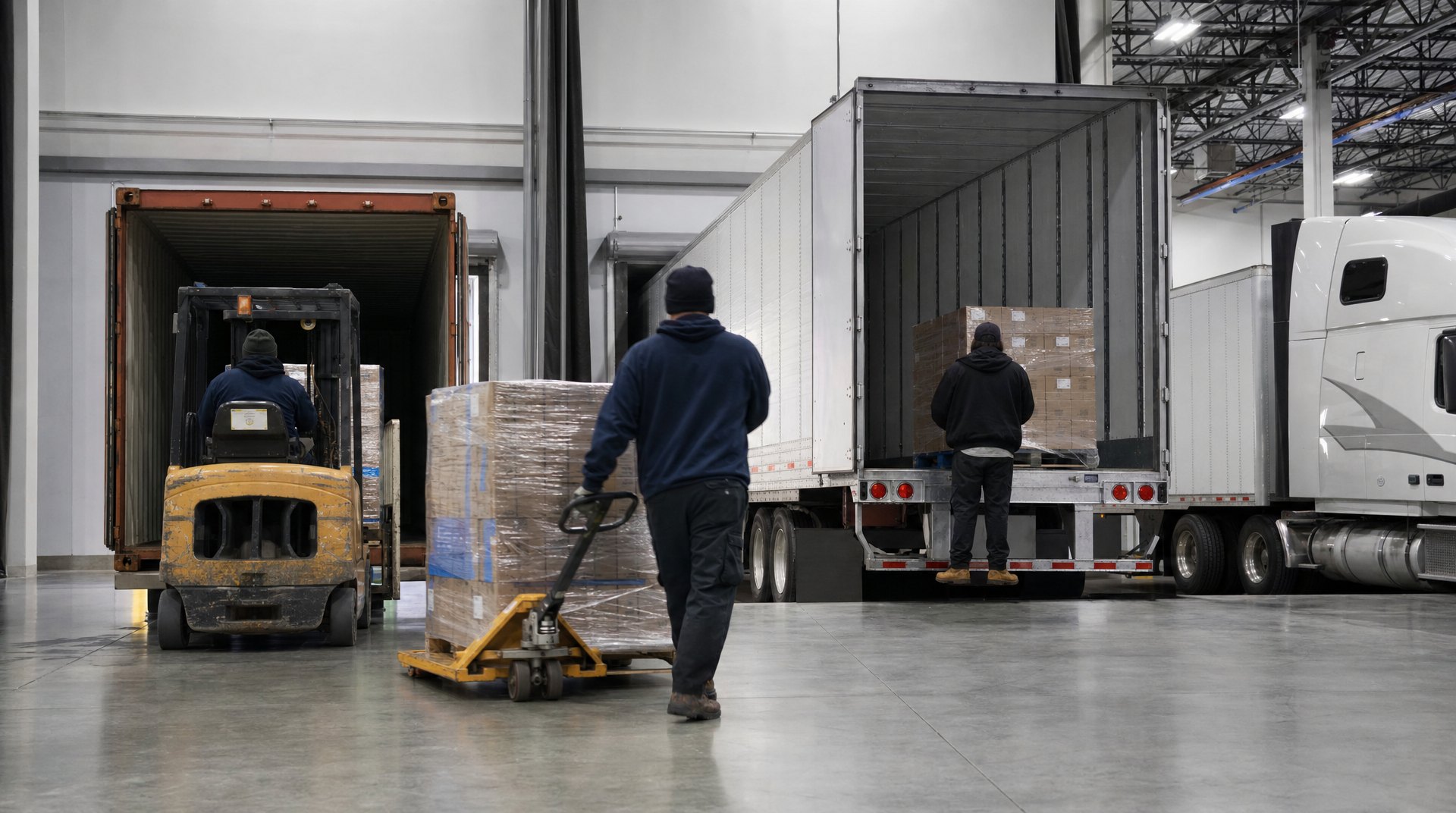
For marketing and event professionals, managing the annual event budget entails grappling with significant expenses, particularly those related to shipping and material handling. Whether your company participates in numerous nationwide trade shows or a select few key events each year, streamlining your trade show strategy can effectively mitigate costs associated with storage, trade show freight shipping, and material transportation to the event venue.
The LAX Freight is proud to have an trade show logistics team with years of experience that supports exhibitionists in the USA and Canada, no matter their scale, as they craft excellent stands that take much time and resources to develop.
Attention should be paid to investing in secure storage and transportation of these goods at all times between events. However, ways are there to cut your trade show logistics costs but maintain timely and accurate deliveries of your items.
Understanding the Costs of Trade Show Shipping
Here are five practical tips to help minimize fees when shipping trade show materials, whether across the country or around the block:
1. Weigh Your Shipments and Prioritize Scale Ticketing
It is crucial to accurately assess the weight of your shipments in order to understand the costs associated with trade show shipping and drayage. Listing weights and piece details on the Bill of Lading (BOL) reduces the possibility of billing inconsistencies.
2. Evaluate Shipping to an Advanced Warehouse vs. Directly to the Show Floor
Deciding whether to ship materials to an advanced warehouse or directly to the show site can significantly impact trade show transportation costs. Each option presents distinct timelines and variables, underscoring the importance of selecting the most suitable approach for your event.
3. Optimize Your Multi-Event Shipping Plan
With regard to the planning of your event shipping calendar, the savings that your company could make are largely dependent on whether your company participates in a number of events in a year. Instead of taking back materials to the main base every time, it is advisable that you look for cheaper options of keeping them at places close to the next event or even make use of the forthcoming event’s smart warehouse date.
4. Manage Drayage Fees Effectively
Drayage fees are often unexpected for many vendors at conventions and are indeed a considerable part of the costs involved in such events. Regardless of how unavoidable they are for grand gatherings, early preparations can do much to tame them. Make an effort to understand the least weight charge for each delivery and bundle goods together so that they get shipped in fewer batches. Furthermore, always try to meet deadlines so that no extra charges are incurred.
5. Safeguard Your Assets and Budget with Liability Coverage
Do not assume that all goods that have been shipped are fully insured for replacement costs. However much insurance may be in place, the shipper could be responsible for losses or damages beyond certain limits. Therefore find out more about your coverage caps and ways to safeguard your trade show budget against unpredictable situations.
Conclusion
In conclusion, strategic planning aimed at reducing event logistics costs can significantly extend the reach of your trade show budget. Given the multifaceted nature of event preparation, especially for teams attending multiple trade shows annually, a comprehensive understanding of shipping fees and optimization of event shipping schedules are paramount.
If implementing these tips appears daunting, collaborating with an experienced trade show shipping companies such as LAX Freight can alleviate stress, minimize surprises, and ensure a successful trade show season. With our secure, fast, and headache-free shipping services, LAX Freight can effectively streamline your trade show logistics, optimize your trade show shipping costs, allowing you to focus on maximizing the impact of your event presence.
Frequently Asked Questions
What exactly is drayage, and why does it cost so much?
Drayage is the short haul movement of your freight from the dock or marshaling yard into the exhibit hall and to your booth space, handled by union labor under the show general contractor. It is billed separately from the line haul that gets your crates to the city in the first place, and it is priced by weight with a minimum charge per shipment. Because it covers specialized labor, material handling equipment, and tight venue access, it tends to be one of the largest single line items on a trade show freight invoice, even when the actual distance traveled is short.
Should I ship to the advance warehouse or straight to the show site?
It depends on your booth size, install timeline, and how much control you want over unloading. Advance warehouse shipping gets your materials received, checked in, and staged ahead of the show, so they are usually among the first items delivered to your booth when move in begins. Direct to show site shipping skips warehouse storage fees but only works within a narrow delivery window, and arriving outside that window, or with incomplete paperwork, can mean delays or additional handling charges once freight reaches the floor.
Why do move in and move out windows matter for cost control?
Move in and move out windows are set by the show general contractor and the venue, and missing them typically triggers overtime or after hours labor rates for material handling. Confirming your target time slot early, and building a buffer into your carrier pickup and delivery schedule, reduces the odds of your shipment landing outside standard hours. The same logic applies at move out, where rushed teardown and last minute carrier bookings are a common source of avoidable freight expense.
What counts as material handling, and how is it different from freight shipping?
Freight shipping covers getting your crates and cases from your facility to the warehouse or show site. Material handling is the on site service of unloading your shipment, delivering it to your booth, storing empty containers during the show, and returning them for pickup afterward. The two are invoiced separately, and material handling rates are typically set by the show contractor rather than your carrier, so comparing carrier quotes alone will not capture your full trade show logistics cost.
What paperwork actually helps reduce shipping costs?
An accurate, complete Bill of Lading is the single most useful document for controlling cost, since it establishes the weight, piece count, and shipment details that both your carrier and the show contractor rely on for billing. Certificates of insurance, exhibitor kits from the show contractor, and consistent labeling on every crate also reduce the chance of disputes, reweighing, or handling delays that add unplanned charges.
What is the simplest way to start lowering trade show shipping costs?
Start by reviewing your shipment weights, consolidating smaller pieces into fewer crates, and comparing the advance warehouse option against direct to show site delivery for each event on your calendar. Pairing that review with a logistics partner who understands drayage rules and show contractor requirements, such as LAX Freight, helps you plan realistic timelines and avoid the last minute decisions that usually drive costs up.