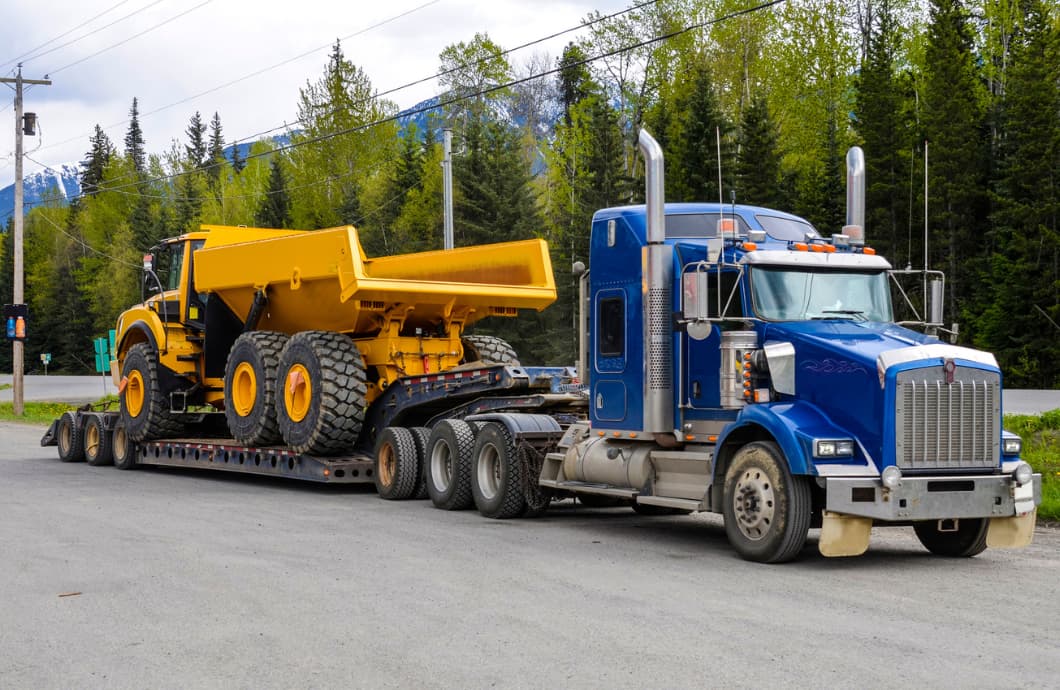
In the trucking world, understanding terms and classifications is crucial for efficient operations. One of such terms is NOI. This abbreviation is essential for handling documentation as it classifies the shipped cargo. Proper classification affects the requirements and cost of transportation.
The text delves into what does NOI stand for in shipping, its meaning, and its connection to other aspects of trucking documentation.
What does NOI mean in shipping?
Not Otherwise Indicated (NOI) is a term used to classify cargo that doesn’t fit into any specific National Motor Freight Classification (NMFC) system category. It classifies freight based on density, handling, and required liability. When a load doesn’t fit into a single category, it’s noted as NOI.
The right classification of the freight is vital for accurate management. It ensures that the load will be handled correctly and delivered in the required time and in proper condition. The appropriate classification can also avoid misclassification, overpaying, or cargo damage.
When Should You Use NOI?
The NOI classification is used when the load doesn’t align with any NMFC category. This may involve new products, prototypes, or uncommonly transported loads.
In particular, this term can be used to transport a unique, custom-made load. Examples of NOI loads are:
- Custom-made items. Products developed in accordance with specific design and function requirements.
- Art installations. Installations, sculptures, or custom artistic works.
- Prototype machinery. New machinery that is in the testing phase and not yet widely manufactured.
- Custom electronics. Electronic devices custom-built for specific application, such as specialized computing equipment.
- Uncommonly shipped items. Some loads are unique or rare. Thus, they don’t have a specific NMFC classification.
How PCF Affects NOI Freight Rates
Pounds Per Cubic Foot (PFC) is vital in determining freight rates and shipment prices. This measures the density of the cargo, calculating how much weight in pounds is packed into each cubic foot of space. The measurement determines the efficiency of space usage, affecting the shipping costs.
A high PCF indicates a denser load, meaning more weight in each cubic foot, which can lower shipping costs and determine a lower freight class. However, a lower PCF indicates a bulkier load with a higher freight class, leading to higher freight costs.
PCF is a key determinant in the classification of NOI shipments. Accurate PCF calculation ensures the right load classification, helping avoid unnecessary expenses and ensuring cost-effective and efficient shipping.
This balance is crucial for optimizing profit margins. In addition, understanding the importance of PCF helps businesses make wise decisions about packaging, shipping methods, and overall logistics strategies.
NOI and NMFC: What Does NMFC Stand For and Why It Matters
As we’ve already defined, NMFC stands for National Motor Freight Classification. This is a standard that classifies freight in accordance with its density, handling, storability, and liability. It aims to standardize cargo classifications and ensure proper handling and efficient delivery. This system considers such characteristics as how much space the load occupies, the handling difficulty and storage, and the potential risks of its transportation.
When a load can’t be classified with NMFC, it’s labeled as NOI, which can present challenges in determining the correct freight class and calculating shipping costs. Understanding the connection between NOI and NMFC is vital for trucking specialists as it affects transportation costs and efficiency.
The misclassification can lead to costly errors. In particular, if the cargo is incorrectly classified as NOI, the shipper may face increased trucking costs. On the other hand, if a NOI load is classified under an NMFC category, the shipper may face additional charges, delays, or disputes with the carrier.
Tips to Ensure Accurate NOI Classification
Accurate NOI classification is vital for avoiding unnecessary costs and handling loads properly. Here are some tips to help you reach accurate NOI classification.
- Understand load characteristics. It’s the first step in determining the category of your freight. Check its density as well as handling and storage requirements. Then, decide whether the load should be classified as NOI or as an NMFC category.
- Get a consultation with the NMFC. Even if a load seems unique, you can consult with the NMFC to check for an existing category. Using an existing NMFC classification can simplify the process and reduce costs.
- Ensure proper packaging. The package can influence the classification of the load. Ensure that your cargo is packed securely, simplifying its handling and storage.
Conclusion
Understanding the definition of NOI and its importance for the trucking industry is crucial for accurate freight classification and cost management. In addition, it’s important to understand NOI’s connection with PCF and NMFC to calculate the correct freight class and avoid extra costs.
With the tips provided, you can ensure that NOI loads are classified correctly, helping save time and money. Whether you’re dealing with custom freight, new products, or any load with unique characteristics, an understanding of NOI can help you navigate the paperwork complexities in the trucking industry. LAX Freight offers expert guidance and reliable freight service. Our team is ready to simplify your freight process, including load classification, shipment, and cost management. Contact us to learn more about how we can support your trucking.
Key Takeaways
Before diving into common questions about NOI, here is a quick recap of the most important points covered in this article.
- NOI stands for Not Otherwise Indicated and applies to freight that doesn’t fit an existing NMFC category.
- Common NOI shipments include custom-made goods, art installations, prototype machinery, and custom electronics.
- PCF, or pounds per cubic foot, plays a central role in determining the freight class and rate for NOI loads.
- Misclassifying a load as NOI, or failing to classify an NOI load correctly, can lead to higher costs, delays, or disputes with the carrier.
- Checking with the NMFC for an existing classification and packaging the freight properly can help avoid unnecessary NOI charges.
Frequently Asked Questions
What does NOI stand for in shipping?
NOI stands for Not Otherwise Indicated. It is a classification used on shipping documentation when a load does not match any established category within the National Motor Freight Classification system. Instead of leaving the freight unclassified, carriers and shippers use the NOI label to note that the cargo falls outside the standard NMFC listings.
When does a shipment need to be classified as NOI?
A shipment is classified as NOI when it does not align with any specific NMFC category. This typically happens with custom-made products, prototypes, art installations, specialized electronics, or other goods that are rarely shipped and were never assigned a defined classification. If a load has unusual dimensions, packaging, or handling requirements that don’t match an existing entry, NOI is used to describe it on the bill of lading and related paperwork.
How is an NOI classification different from a regular NMFC class?
A regular NMFC class is a predefined category that describes the density, handling, storability, and liability of a specific type of freight. An NOI classification, on the other hand, is used precisely because the freight does not fit into one of those predefined categories. Because there is no standard reference point, carriers rely more heavily on factors like PCF and the shipper’s own description of the cargo to determine the appropriate rate.
What documentation is typically needed for an NOI shipment?
As with any freight shipment, an NOI load needs a clear and accurate bill of lading that describes the cargo, its dimensions, and its weight. Since the freight doesn’t have a set NMFC category, it helps to include as much detail as possible about the product, its packaging, and its density calculation. This extra detail supports the carrier in confirming the classification and reduces the chances of a dispute over the freight class later on.
Can a shipper avoid an NOI classification?
In some cases, yes. Before defaulting to NOI, it’s worth checking with the NMFC to see whether an existing category actually applies to the load, even if it seems unique at first glance. Using an established NMFC classification, when one truly fits, can simplify paperwork and may help control shipping costs compared to an NOI designation.
Why is NOI freight sometimes more expensive to ship?
NOI freight can come with added cost because it lacks the standardized handling and pricing benchmarks that a defined NMFC category provides. Carriers must rely on PCF and other characteristics of the load to set the freight class, and a lower PCF generally points to a bulkier load and a higher freight class. Misclassification is also a common source of extra charges, whether the load is incorrectly labeled as NOI or an NOI load is mistakenly filed under the wrong NMFC category.
Who can help determine whether a load qualifies as NOI?
Freight classification can be confusing, especially for custom or uncommon loads, so it often helps to work with an experienced trucking partner. A knowledgeable team can review the load’s characteristics, confirm whether an NMFC category applies, and calculate PCF accurately, helping shippers avoid unnecessary NOI-related costs and keep documentation in order.