How to prepare your goods for shipping
It is worthwhile to make an effort to select the appropriate packing and use clever delivery techniques. The finest security for your shipment will be provided by these straightforward tips and tactics, which will also enable you to reduce expenses and packing time.
How to Prepare a Box for Shipping?
It’s important to consider the boxes’ size and appropriateness when selecting the proper packing for your shipments. Choose boxes that closely match the size of your merchandise to save extra space in the shipment. By preventing unauthorized charges for air and empty space, this strategy offers superior security for your goods and lowers transportation expenses.
To determine the ideal box size, it’s beneficial to experiment with different sizes and types of boxes. By doing so, you can identify a set of “standard boxes” that work well for the majority of your products. These standard boxes can streamline your packing process, as you’ll become familiar with their dimensions and how to efficiently arrange items within them.
Additionally, remember to consider the weight of your items when selecting packaging. If you have weighty items, opt for boxes with appropriate strength and durability to withstand the weight during transit.
By carefully choosing the correct packaging size and type, you can optimize the space utilization within each parcel and minimize shipping costs while ensuring that your products are well-protected throughout the shipping process.
Steps to Shipping a Package
Standardize your packing process: Establish clear procedures and rules for your packing station to guarantee that products are packed as efficiently as possible. Make checklists that detail every stage of the packing procedure, from choosing the perfect box size to properly attaching labels. This promotes consistency and aids in training your personnel.
Preparing to Ship: Keep your stock effectively organized. To save time, cleverly arrange your shelves and packaging space. Keep your top-selling and promotional items close to the packaging area to reduce distance. To minimize time searching for things, consider pre-packaging popular items and putting them on conveniently accessible shelves. Label shelves and rows clearly.
How to Efficiently Pack: Before periods of high sales, be properly prepared: By getting your packing and supplies ready in advance, you may qualify for busy times like Christmas sales or other times when demand is strong. Assemble boxes, stuff them with padding, and make other preparations. Processes can be streamlined by in advance packing large numbers of specific items.
Most Efficient Way to Pack: Invest in high-quality packaging; save money on boxes and other supplies for packing. Spending more on high-quality packing might help you avoid paying for broken and damaged items. Strong, durable boxes offer superior protection and could smaller sizes, lowering shipping costs.
Packaging and Shipping Tips
Communicate delivery terms and conditions clearly: Address customer questions about shipping and delivery by creating a FAQ page. Update the page regularly, especially during peak periods, to reflect current circumstances and any changes. Include information about potential delays to manage expectations.
Here are some useful tips for packing. Verify the right address information to prevent delays: Make sure the addresses of your consumers are correct. Provide your carrier with a cellphone number to allow your consumers to receive real-time shipping information. To ensure that packages get where they are supposed to, double-check the format of email addresses, mobile numbers, and postal codes. To reduce manual handling, provide accurate labels and markings.
Optimizing your packing and shipping operations may lead to considerable long-term time and money savings, whether you are beginning an online business or revisiting current practices.
How LAX Freight Can Help you?
At LAX Freight, we prioritize the safety of your loads during transportation. Our robust packaging solutions, stringent handling procedures, and state-of-the-art equipment ensure the protection of your shipments. We employ advanced tracking systems, secure warehousing facilities, and comply with regulatory standards to maintain the integrity of your goods. Our constant monitoring and communication keep you informed and address any concerns promptly. Trust LAX Freight for secure and reliable transportation, ensuring your loads arrive safely and on time.
Check out the LAX Freight blog to know more about the transportation business and get useful tips& tricks for free!

Key takeaways
Before you tape up your first box, keep these core principles in mind. They apply whether you are shipping a single parcel or preparing goods for a full pallet load.
- Match the box size to the product to limit movement inside the container and avoid paying for wasted space.
- Cushion items with enough padding so nothing shifts, rattles, or presses against the walls of the box during handling.
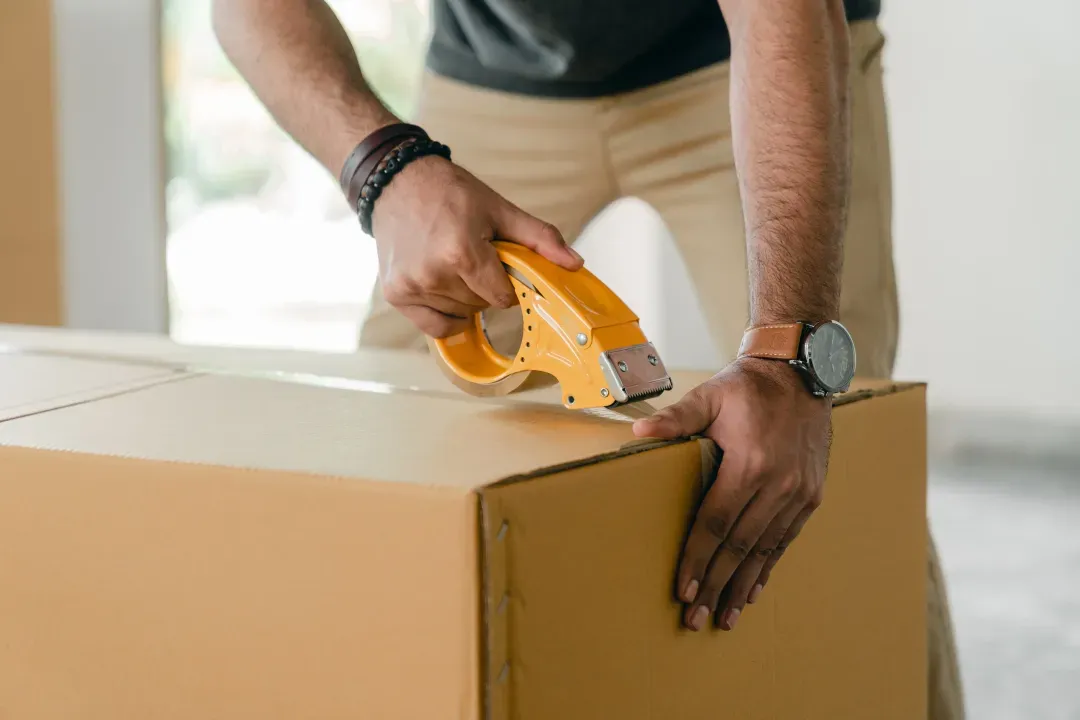
- Reinforce every seam with proper tape and use a box rated to carry the actual weight of its contents.
- Apply labels that are clear, secure, and free of old barcodes or addresses that could confuse a scanner.
- Keep shipping documents organized and easy for a carrier or inspector to find without opening the package.
Frequently Asked Questions
What packaging materials work best for everyday shipments?
Corrugated cardboard boxes remain the standard choice for most goods because they are lightweight yet strong enough to resist crushing. Pair the box with cushioning such as air pillows, foam inserts, or crumpled packing paper to fill empty space. For irregularly shaped items, molded foam or custom inserts help keep the product centered so it does not press against a corner or edge during transit.
How should I palletize goods for larger shipments?
When goods are loaded onto a pallet, stack heavier boxes on the bottom and lighter ones on top to keep the load stable. Align boxes edge to edge rather than overhanging the pallet, since overhang increases the risk of crushed corners. Wrap the entire stack with stretch film in overlapping layers, and consider corner boards or strapping for extra rigidity on taller or unevenly shaped loads.
What should a shipping label include to avoid delays?
A clear label should show the full recipient address, return address, and any tracking or reference number the carrier requires. Place the label on the largest flat surface of the box, smooth out wrinkles, and cover it with clear tape so it stays legible if the package gets wet. Remove or black out any old labels and barcodes left over from previous shipments, since a scanner can misread a duplicate barcode and misroute the package.
What documentation is typically needed before goods ship?
Most shipments call for a bill of lading or shipping label, a packing list describing the contents, and, for commercial freight, an invoice for the goods. If the shipment crosses a border, additional customs paperwork may be required. Keep a copy of every document on file and, where possible, attach a duplicate to the outside of the package in a clear pouch so it is easy for a carrier or inspector to reference without opening the box.
How do I pack fragile items safely?
Wrap each fragile item individually, whether in bubble wrap, foam sleeves, or packing paper, so pieces cannot knock against one another. Leave a cushion of padding on every side of the item inside the box, not just the top, and avoid letting fragile goods touch the walls of the container directly. Mark the outside of the box as fragile and, when the carrier allows it, indicate which side should face up so handlers know how to orient the package.
What are the basics of shipping hazardous or regulated materials?
Hazardous materials are subject to specific packaging, labeling, and documentation rules set by the relevant transportation authorities, and requirements can vary by material type and mode of transport. Use packaging that is approved for the specific hazard class, apply the correct hazard labels and placards, and include the required shipping papers describing the material. Because these rules are detailed and material specific, it is worth confirming current requirements with your carrier or a compliance resource before the shipment moves.