The release lands at 11:43 PM. Now it is just distance and a clock.
The customs hold clears at 11:43 at night. The part is finally free to move, the paperwork is done, and the hard part everyone was watching is over. What is left looks simple on paper: the plant is 230 miles away and the line restarts at 7 AM, so there are about seven hours to cover a drive that takes roughly four. On paper, that is comfortable. The run is the part of a line-down recovery that looks easy right up until it is the part that fails, because the number that matters is not the drive time. It is the slack, and seven minus four is not as much room as it sounds.
The part everyone underestimates
Once the freight clears, attention tends to relax. The customs problem was the visible one, and with it solved the move feels handled. But the back half of a line-down recovery is its own event, and it has its own ways to fail that have nothing to do with the border. The drive itself is the most predictable thing in the whole chain. Everything around the drive, the pickup at the cargo facility, the route, the fuel and hours math, the dock at the far end, is where a seven-hour window quietly becomes a six-hour one and then a tight one. And even a part that lands on time only matters if the line can take it on arrival, which is where the saved hours pay off, or do not.
After clearance, expedited stops being about speed and becomes about slack: how much room is left for the one thing that goes wrong, because something usually does.
What eats the slack on a night run
The first bite is the pickup. The driver still has to get into the cargo facility and pull the freight, and at midnight that is not instant if the truck was not already staged there. The second is the road itself, which is the one honest, fixed cost: the miles take the time they take, and a driver’s legal hours are a hard limit, not a number to push. The third is the far end. A part that arrives at 4 AM to a receiving dock that does not open until 6 has not saved anything, because the plant’s own door is now the constraint. The fourth is the surprise no one plans for, a routing question, a second document the cargo facility wants, a reroute around a closure, each of which is survivable only if the window had slack to give.
The far-end dock is the bite that surprises people most. A part that clears at midnight and reaches the plant by 4 AM feels like a clear win, right up until the receiving dock does not open until 6 and there is no one there to take it. The freight sits in the lot two hundred yards from the line it is meant for, and the hours the fast clearance bought are spent in a parking space. The fix is never on the freight side. It is a phone call the evening before to make sure someone is there to receive an early-hours drop, which costs nothing and gets skipped constantly because the attention was all on the border.
None of these is dramatic. Together they are the difference between a part that is on the line at 6:30 and one that pulls in at 7:10, after the line has already gone down for the morning it was supposed to save.
One driver, a team, or a fresh truck
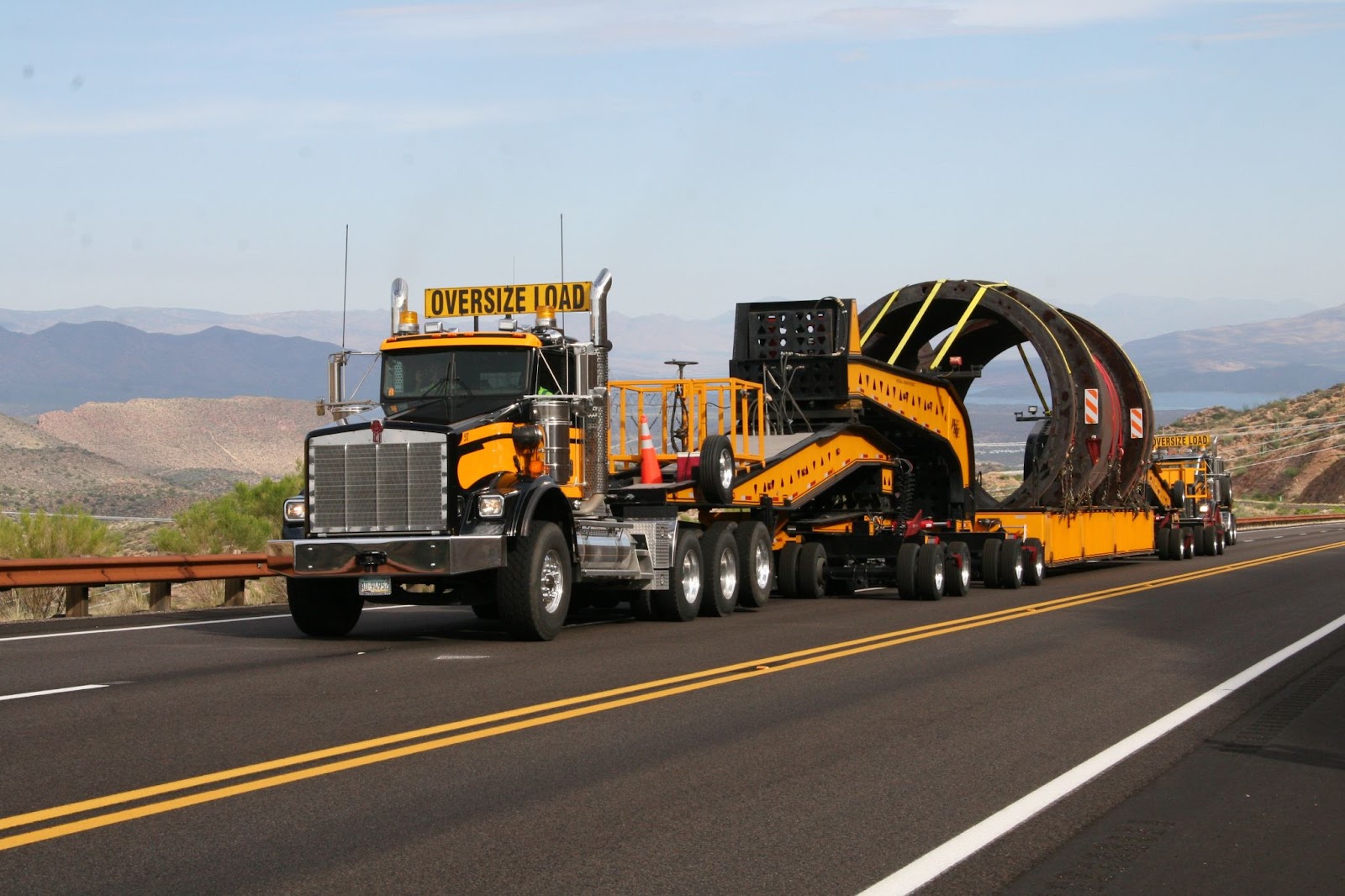
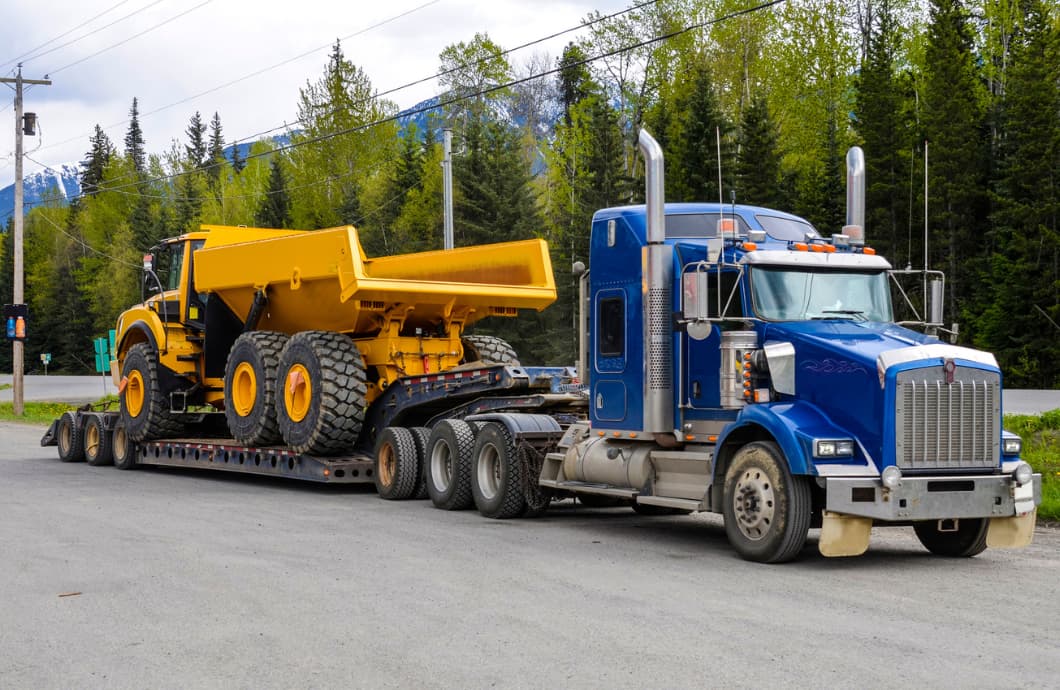
The execution choice is usually among three, and the clock picks it more than preference does. A single driver is the simplest and works when the legal hours and the distance leave real slack, which on a 230-mile run at midnight they do. A team makes sense when the distance is long enough that one driver’s hours cannot legally cover it, which is a question of law as much as endurance. Staging a fresh truck near the cargo facility in advance is the move when the pickup itself is the risk, because it removes the callout-and-drive-in time from the front of the window. The wrong call is defaulting to whatever is normal without checking it against the actual hours, because a run that looked single-driver simple can need a team the moment the distance or the window shifts. The check takes a minute and the failure to make it takes the whole morning: a single driver dispatched on a run that quietly needed a team does not discover the problem at the start, when it could be fixed, but partway down the road when the legal hours run out and there is no relief staged. At that point the part is parked at a truck stop and the window is already gone.
Run it with the slack mapped, not assumed
Three questions decide whether the easy-looking back half actually lands the part in time. How much real slack is in the window once the pickup and the far-end dock are counted, not just the drive. Is a single legal driver enough for the distance and the hours, or does it quietly need a team. And what is the one surprise the window can absorb, and the one it cannot. Answer those before the release lands and the run stays the easy part. Leave them for after, and the part that cleared customs five hours early still misses the morning. The forwarder worth the call on the back half is the one already solving the run while the front half is still at the border, with an air freight recovery that does not stop thinking once the freight clears. Plan the run before the release with someone who maps the slack instead of trusting the drive time.