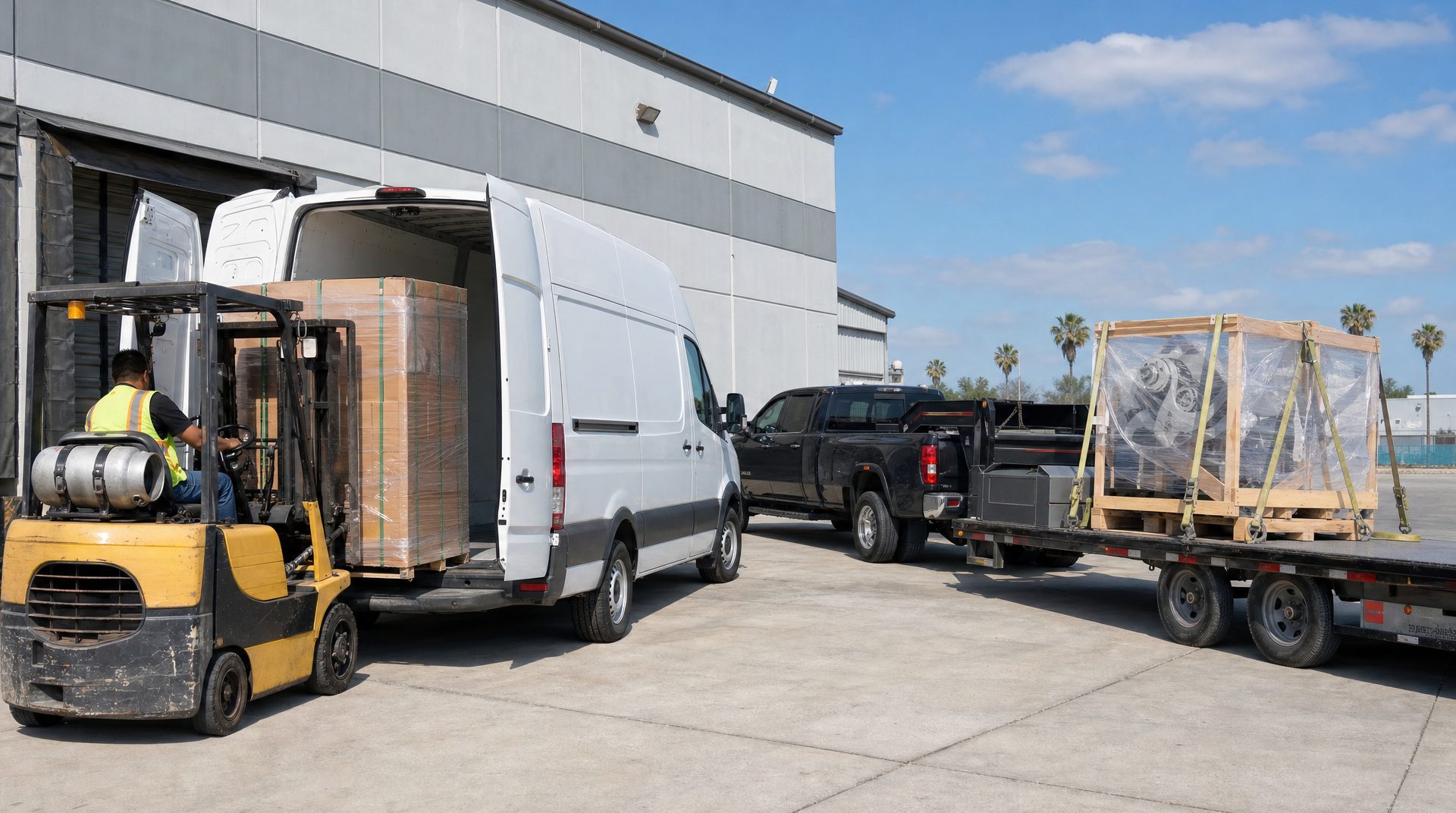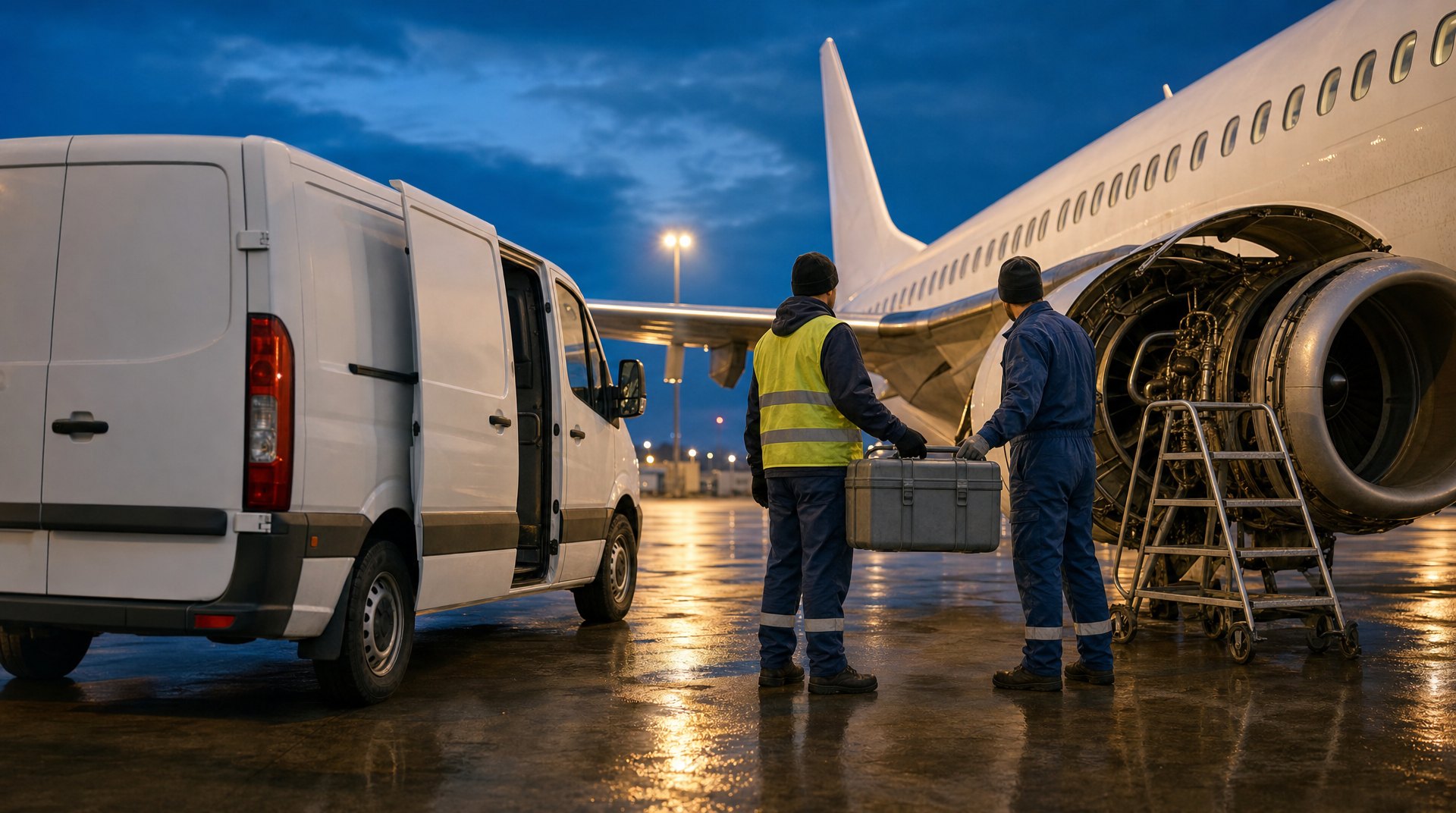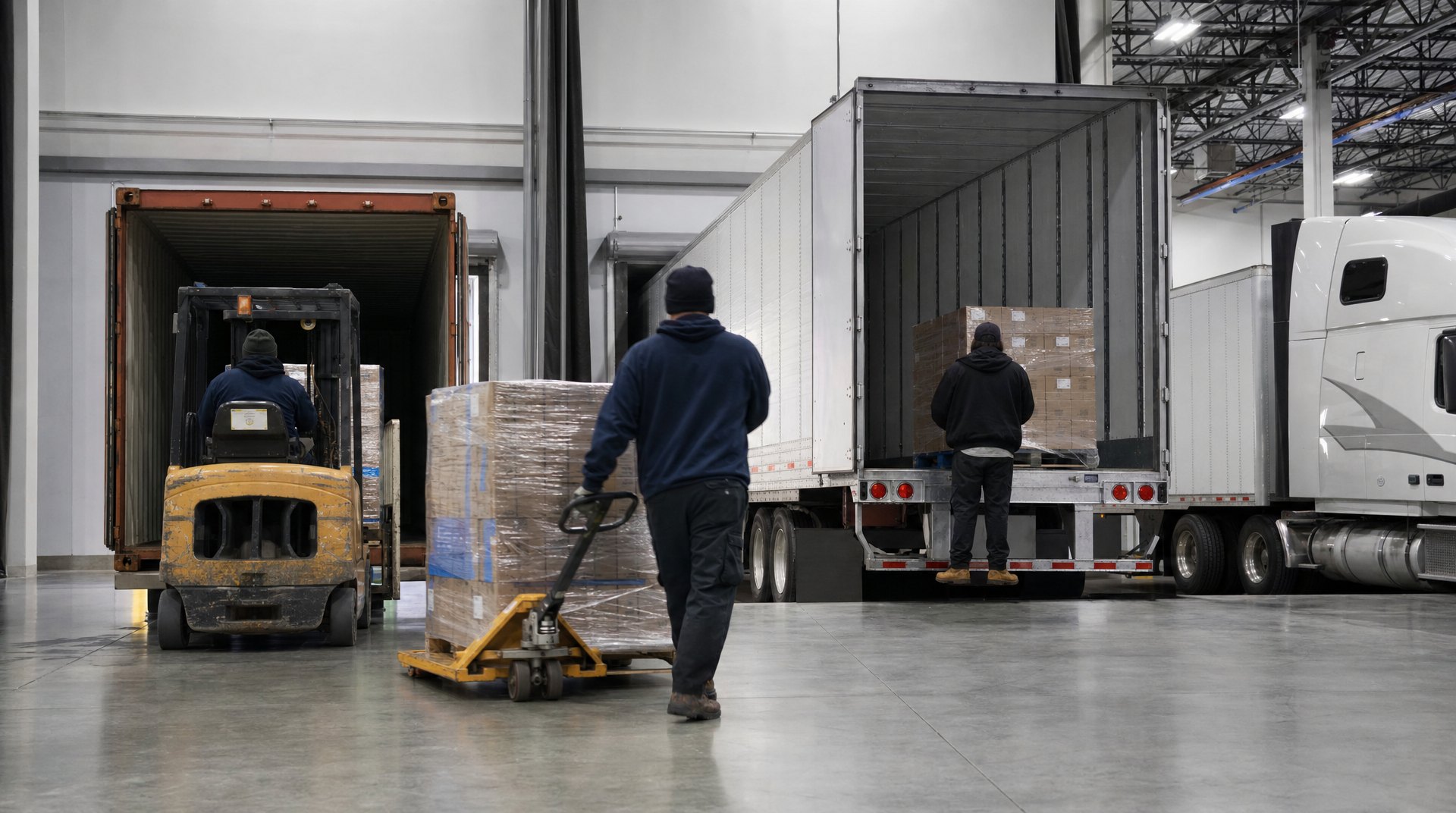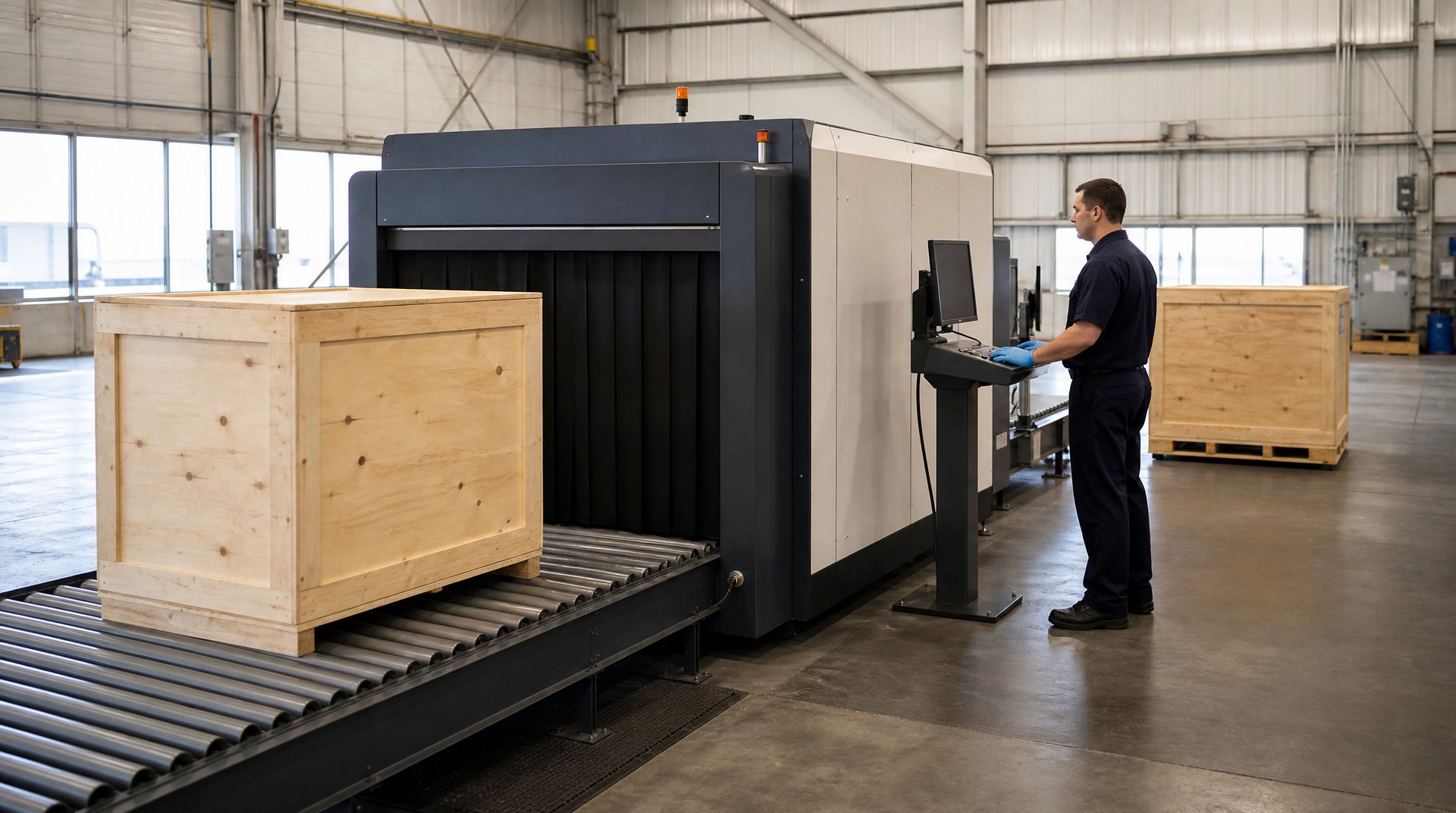
It is screened, or it does not fly. There is no third option.
A crate reaches the airline terminal at 2 PM for an evening departure, well inside every published deadline, and at 7 PM it is still on the floor. Nothing is wrong with the paperwork or the booking. The freight is dense machinery in a closed wooden case, X-ray cannot clear it, and the alternative screening method has a queue. By the time it is done the pallet is built and the flight has gone.
Screening is the one gate with no discretion behind it. A shipment on a passenger aircraft is screened or it stays on the ground, and no escalation changes that. What escalation can change is where and when screening happens, and that is decided days before the freight moves, not hours.
Upstream screening is a scheduling decision, not a compliance one
Cargo can be screened before it ever reaches the airport, by facilities certified to do it under the federal security programme, and forwarders operating as indirect air carriers do so under the regulatory framework set out in 49 CFR Part 1548. Freight screened upstream arrives at the airline already cleared, provided the chain of custody has been maintained, and goes into the build rather than into a queue.
Most shippers experience screening as an airline function because that is the default when nobody arranged anything else. The airline screens what arrives, with finite equipment and staff, and during peak tender hours the queue is long. Moving screening upstream does not make the shipment more compliant; it moves hours of unpredictable waiting off the critical path into a window where the freight was sitting still anyway.
What makes a shipment slow to screen
Not all freight screens at the same speed, and the differences are physical. Dense metal, sealed assemblies and anything in a heavily built case can defeat imaging, and when imaging cannot resolve the contents the shipment moves to an alternative method: trace detection or physical inspection. Physical inspection means opening the crate, and on production equipment that is not a two-minute job.
Large or oddly shaped pieces have the same problem: they may not fit the equipment at all. Palletised consumer goods clear quickly. A single crated fixture or a sealed spare assembly is the profile that ends up in alternative screening, and that profile is common in recovery freight, which is by definition the unusual item somebody urgently needs.
So the shipments most likely to be on a deadline are the shipments most likely to screen slowly. That is worth knowing before the crate is built, because packing affects how long clearing takes.
A part crated as a single dense block is harder to resolve than the same part packed so its contents can be seen, and a shipper building for maximum protection is optimising against a risk smaller than missing the flight. That is not an argument for packing badly. It is an argument for telling whoever builds the crate that the shipment flies on a deadline, which they frequently do not know.
Screened is a state that can be lost
The second thing worth understanding is that screened status depends on the freight staying secure after screening. Chain of custody has to hold from the point of screening to the aircraft, and a break in it means the shipment is screened again from scratch. Freight left unattended, moved through an uncontrolled area, or handed between parties without the right documentation can lose the status it already had.
This catches recoveries specifically, because a recovery often involves an unplanned handoff: a truck that was not the original truck, a transfer that was not in the plan, a routing change decided at midnight. Each is a place where screened freight quietly becomes unscreened freight, and nobody finds out until the terminal does. Anyone rerouting after screening should ask whether the new path preserves the status, the same way a documentation mismatch on restricted freight has to be caught before the freight moves.
The freighter option, and when it is the real answer
Cargo on all-cargo aircraft sits under a different regime from cargo on passenger flights, and for a shipment that is genuinely hard to screen that is the cleaner path, not a workaround. It costs more and has fewer frequencies, so it is not the default. But on freight that will predictably end up in alternative screening, a freighter departing later can beat a passenger flight departing sooner, and that comparison belongs at booking, not at 7 PM.
Making it requires knowing the freight’s screening profile in advance, which means somebody has to have looked at what is actually in the crate. A desk quoting an air freight recovery that never asks what the commodity is and how it is packed is quoting a lane, not a shipment.
This is the same discipline that decides whether an after-hours release actually converts into movement. The constraint is either known in advance and planned around, or it is discovered on the clock with nothing left to trade.
Decide where screening happens before the crate is closed
Three questions keep screening off the critical path. Can this shipment be screened upstream rather than at the airline counter, and is that arranged. Given what is inside the crate and how it is packed, will imaging resolve it, or should you plan for alternative screening and the time it takes. Does every handoff between screening and the aircraft preserve the chain of custody, including any invented during a recovery. Screening cannot be argued with, negotiated down, or escalated past. It can only be scheduled, and the scheduling happens before the freight is on a dock.