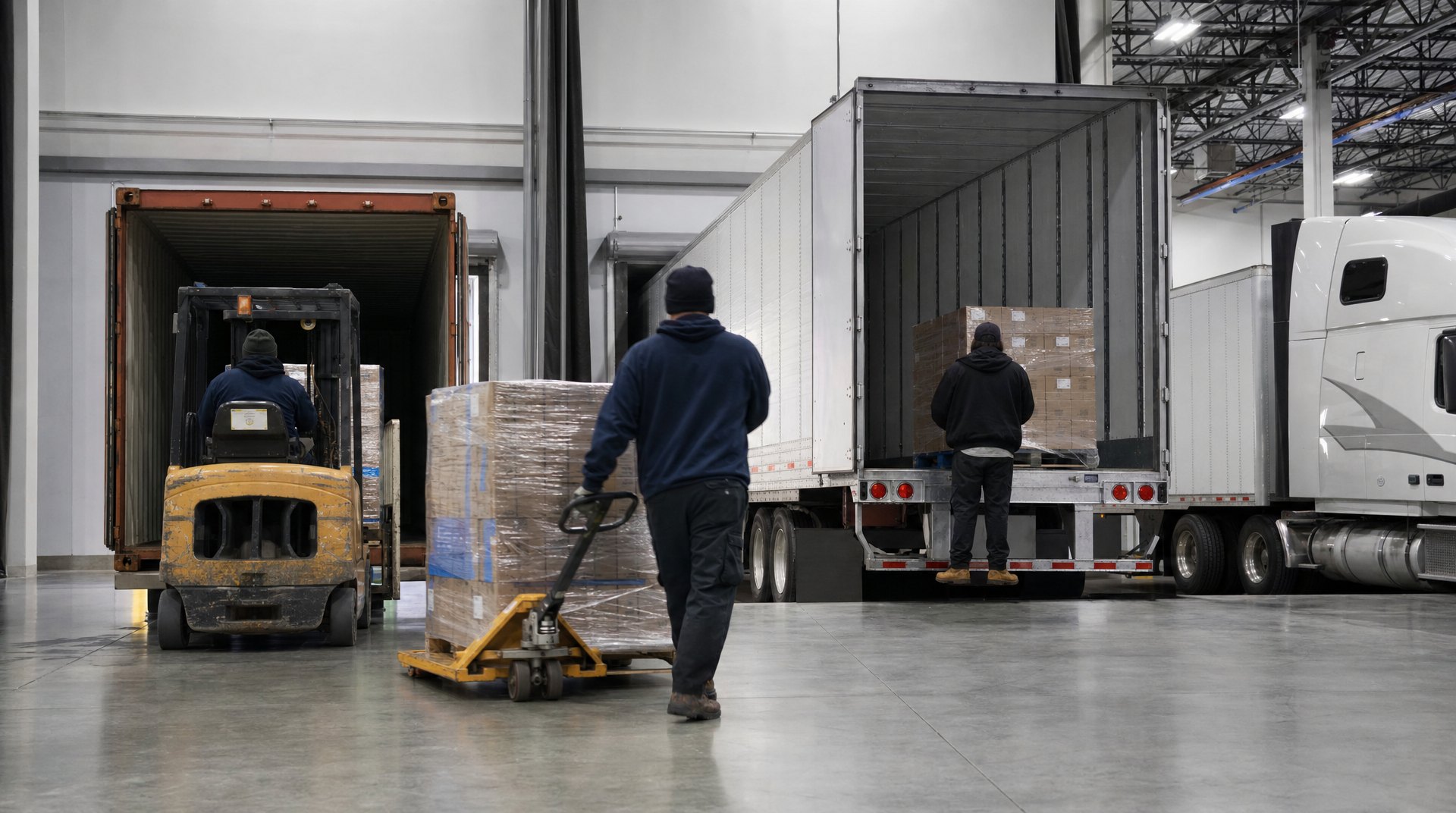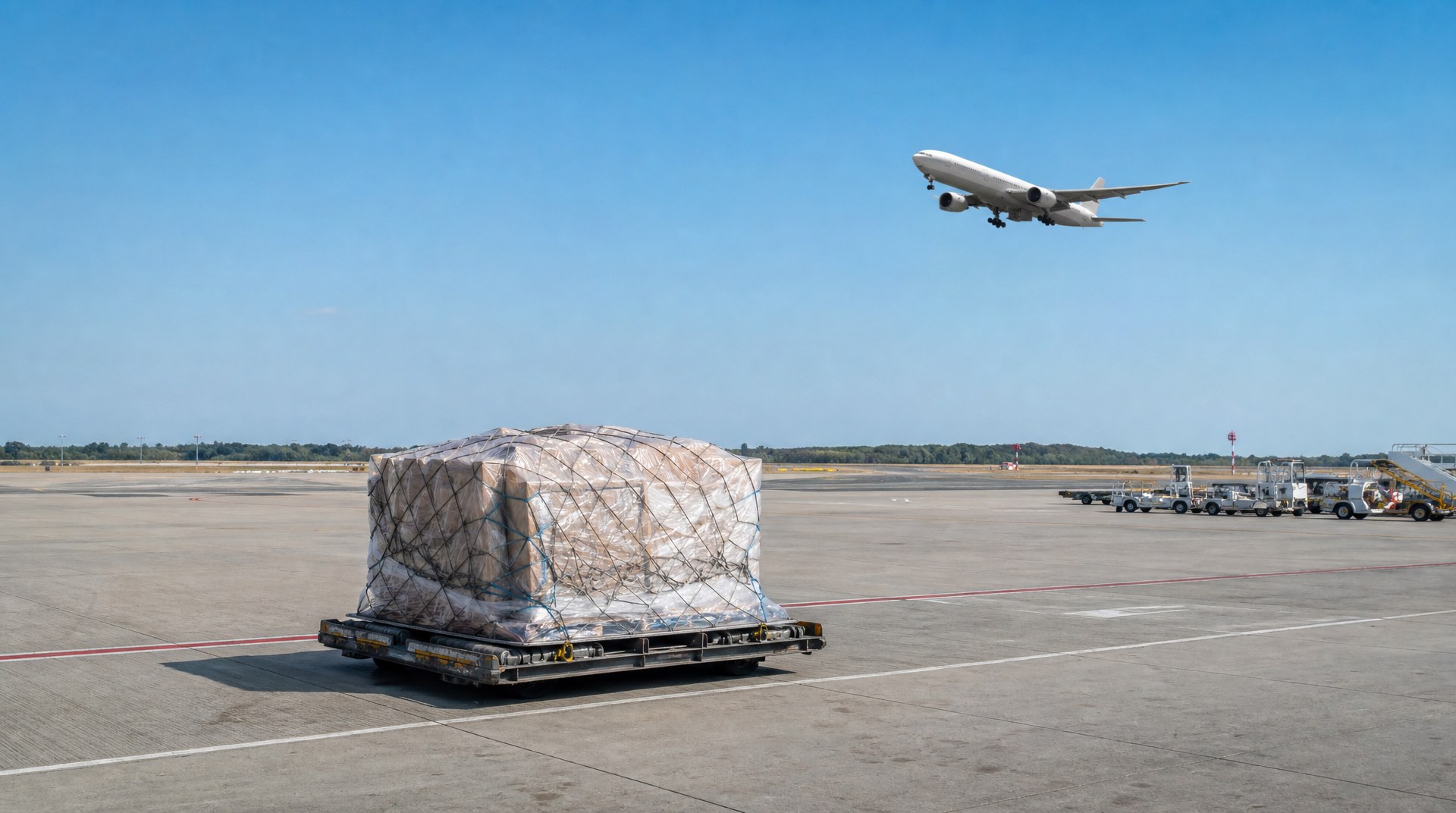
The freight was confirmed. The aircraft left without it.
You have a booking reference, a flight number, and a confirmation that came back within the hour. Downstream, everyone assumes the freight is on that aircraft. Then the flight departs, the tracking record does not move, and the airline produces the word that changes the day: offloaded. Not lost, not damaged, not held. Simply not carried.
The first reaction is that somebody broke a commitment, but that is not quite what happened, and the difference is an hour arguing against an hour recovering. Air cargo confirmation is a plan, not a guarantee of carriage, and the legitimate reasons a confirmed shipment does not fly are more numerous than most shippers expect. What matters operationally is that the clock started when the aircraft left, and nobody sent you a notification.
What actually causes it
Payload limits are the most common cause and the least visible. Fuel load, weather, runway conditions and passenger and baggage weight on a combination aircraft all move the available payload on the day, sometimes within hours of departure, and when that number comes down something on the manifest comes off. The offload sequence reflects yield, contractual commitment and how easy the shipment is to reaccommodate; a single-pallet booking made forty-eight hours out sits low in it.
Aircraft substitution does the same more abruptly: a widebody swapped for a narrowbody after a technical issue upstream removes most of the cargo capacity at short notice. Priority traffic (mail, urgent pharmaceutical loads, shipments under stronger contractual commitments) also displaces general cargo. And freight arriving at the counter close to cut-off can miss the pallet build even though it is inside the stated deadline, because the build sequence finishes before the deadline does.
Airlines manage these tradeoffs continuously, and the capacity pressures behind them are a standing feature of the industry rather than an anomaly, as the carrier trade body Airlines for America documents in its work on airline operations. The implication is not that confirmations are worthless. It is that a confirmation is a strong plan needing verification at two specific moments, not a settled fact.
You will not be told. You have to look.
The hardest part of an offload is that nothing happens. No alert, no phone call, and often no status change at all beyond the absence of a movement message that should have appeared. The shipment stays in the same state while the flight it was booked on lands somewhere else. Teams routinely lose four to twelve hours here: the tracking record does not look wrong, it looks quiet, and quiet triggers nobody.
That is why the two checks matter more than the confirmation does. The first is at cut-off: is the freight physically accepted and tendered, a different question from booked. The second is shortly after scheduled departure: is there an uplift message against the air waybill. Two checks, two minutes each, and they convert an offload from a discovery into a notification.
Nobody does them because they feel redundant. The booking was confirmed, the freight was delivered to the counter, and asking again looks like distrust of a carrier you have worked with for years. It is not distrust. The carrier’s systems report what happened, not what did not, and an offload is defined entirely by the absence of an event. No monitoring process that waits for an alert will ever catch one.
Three options, and the order you consider them
Once you know, there are three real routes, and they should be evaluated together rather than in sequence. The first is the next flight on the same carrier, the default the airline will offer, which is fine when that flight is soon and your priority on it has genuinely improved. Ask directly whether the shipment is protected on the next service or merely rolled: those are different things, and only one of them means it will fly.
The second is re-tendering to another carrier. It is often faster, and nobody does it because the freight already sits in the first airline’s terminal and retrieving it feels backwards. Price the recovery and a same-day tender elsewhere before accepting a roll, particularly when the offload came from a payload reason still true tomorrow. The third is leaving air for the leg entirely, by ground on a domestic move or by a dedicated air freight recovery where the timing justifies it.
All three depend on somebody having authority to spend money without a morning approval cycle, the same constraint that governs an after-hours rebook decision. An offload found at 11 PM with no one authorised to act on it is functionally an offload found at 9 AM.
When it is not only your shipment
Offloads often take more than one consignment off the same flight, and for a forwarder that means several customers competing for the space you secure on the recovery service. Deciding that allocation before you are asked is easier than deciding it while three people are on hold, and the reasoning behind allocating scarce capacity across customers after a flight delay applies here too. The offload just removes the warning.
Verify twice and the offload stops being a surprise
Three questions turn this from a lost day into a managed exception. Was the freight tendered and accepted at cut-off, confirmed against the air waybill rather than the booking. Is there an uplift message shortly after departure, and if not, who is checking. And when it happens, is the shipment protected or merely rolled, and does someone have authority to re-tender elsewhere tonight. The offload is not preventable from your side. The twelve hours of not knowing is, and that is where almost all the damage lives.