The call comes in to the desk that can’t move the freight
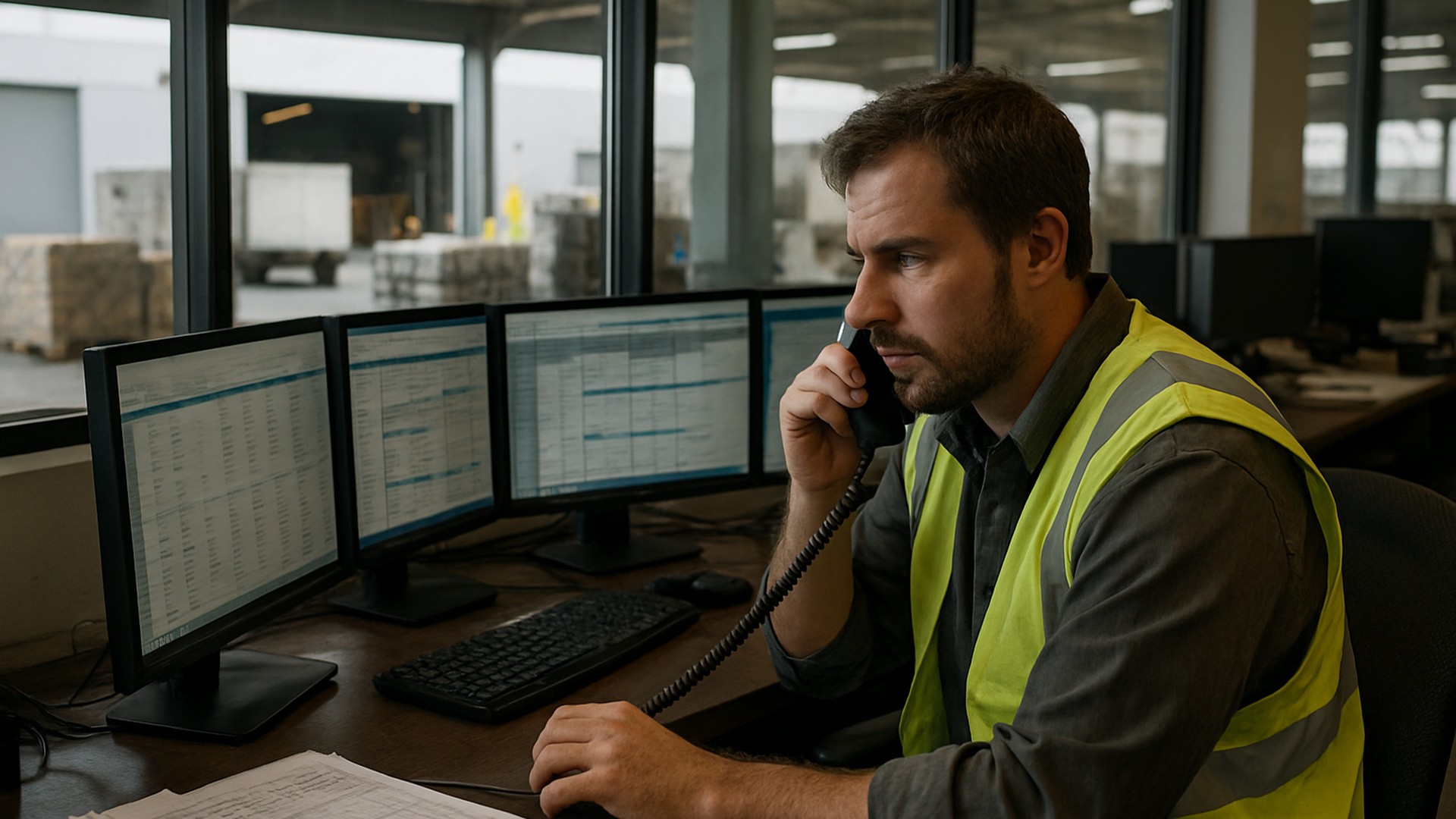
A shipment goes sideways at the airport on a Thursday afternoon, and the first call goes to whoever is on the customer’s contact card. Usually that is the account coordinator: the person who booked the freight, sends the milestone updates, and answers the phone when the consignee wants a status. They are reachable, they are responsive, and they are very often not the person who can authorize the recovery. They take the call, they understand the problem, and then they have to go find the desk that actually owns the freight.
That second step is where most of the early minutes of a recovery quietly disappear. Not because anyone did anything wrong, but because the desk that gets called first and the desk that owns the freight are rarely the same desk. The gap between them is invisible from outside the forwarder’s floor, and it is widest at exactly the hours when recoveries tend to happen.
Air cargo has spent decades standardizing the handoffs between carriers, airlines, and ground handlers. IATA’s cargo standards exist precisely because so many parties touch the freight on its way through an airport. But none of that standardization reaches inside a single forwarder’s floor, where who can actually move the freight is still a local arrangement that mostly lives in people’s heads.
Called-first and owns-it are two different jobs
On most forwarder floors, at least three roles touch a recovery and none holds the same authority. The account coordinator owns the customer relationship: they know what was promised and they will explain the delay. The operations desk owns the freight itself: carrier, pickup, dock, documents. And above both, usually the hardest to reach, sits the person who owns the money, the one who can approve a charter or an after-hours pull that runs past the standard rate.
The customer calls the coordinator because that is the relationship they have. The coordinator cannot book the truck. The operations desk can book the truck but cannot authorize the spend. The person who can authorize the spend is in a meeting, or off the floor, or it is 6:40 PM and they have already left for the day. Every handoff in that chain is a place the recovery can stall while the freight sits exactly where it was.
What each desk actually controls
Written down, the split is clear. In the moment it is not, with the customer on the line with the coordinator, who is texting operations, who is waiting on the manager to call back about the charter.
| Desk | Authorize the truck? | Authorize the spend? | Speaks to the customer? | Typical delay point |
|---|---|---|---|---|
| Account coordinator | No | No | Yes | Stuck relaying until a desk that can act picks up |
| Operations desk | Yes | No | Sometimes | Charter or after-hours rate needs sign-off above standard |
| On-call manager | Yes | Yes | No | Hardest to reach after hours, and briefed last |
The same way the forwarder, not the carrier, owns the recovery decision on a cold-chain hold, the forwarder owns which internal desk the freight lands on first. That routing is a choice the floor makes, even when it does not feel like one.
Information flow is not authority
The core problem is that information and authority move through the floor on different paths. The coordinator has all the information and none of the authority. The manager has the authority and, at the moment the call comes in, almost none of the information. They have to be briefed before they can decide, and the briefing itself takes minutes the window may not have.
So the first real task in a recovery is often not moving the freight. It is assembling, fast, a version of the situation that the person with spending authority can act on without asking three follow-up questions. How long has the freight been sitting. What does the warehouse close time actually mean for this shipment. What does the customer already know.
A recovery doesn’t start when the freight is found. It starts the moment the person who can say yes to the cost has enough of the picture to say it.
Where the gap turns into delay
Picture a release that lands at 4:30 PM. The coordinator has it within five minutes and understands immediately that the airline warehouse closes at 7. That is a usable window. But the coordinator cannot book the recovery truck, so they message the operations desk, who is mid-way through three other moves and picks it up at 4:50. Operations can find a carrier but the after-hours charter rate needs sign-off, so they call the on-call manager, who is driving home and calls back at 5:25. By the time the spend is approved, the window that was two and a half hours wide on paper is down to ninety minutes, and ninety minutes is where airport recoveries start to fail on coordination rather than capacity.
Inside those handoffs, the minutes go to specific, ordinary things. The coordinator finishes the customer call before flagging operations, because hanging up mid-status to chase an internal desk is its own risk. Operations closes out a different pickup before opening this one. The manager’s phone is in a pocket on the highway, and the first call rolls to voicemail. None of it is negligence. It is three people doing their actual jobs in sequence, at the one moment the window needed them doing this one in parallel. The freight has not moved an inch the whole time, and the warehouse clock has not paused for any of it.
None of those three people was slow. Each handoff was a few minutes. The delay is structural: it is the sum of three desks reaching each other in sequence, and it compounds in exactly the after-hours stretch when each desk is hardest to reach.
What a clean version looks like
The forwarders who hold these windows are not faster typists. They have decided, before the event, which desk owns the freight the moment a recovery is declared, and they have given that desk a standing authority limit so the spend question does not have to climb the chain every time. The coordinator still takes the customer call, but the freight is already moving on a parallel track while that call is happening. Called-first hands to owns-it in one step instead of three, because the floor agreed in advance who owns-it is.
That is the difference between a recovery and a relay. It is also why some forwarders would rather have an airport recovery desk that can act on the call on the other end than a brokerage that has to go find authority of its own before anything moves.
Map the desks before the next event, not during it
Three questions decide how much of the next recovery window survives the internal handoff, and all three are easier to answer on a quiet Tuesday than at 6:40 PM Friday. Who can move the freight without waiting for anyone. Who can approve the spend, and what can they approve without escalating. And how fast can the desk that takes the customer call reach the desk that owns the freight, after hours, on the first try.
The org chart answers none of these cleanly, because the org chart describes reporting lines, not recovery authority. The floor that knows the difference has already named the desks before the freight is sitting at the airport. Talk to a recovery desk where the person who answers can move the freight, not just take a message and go looking for someone who can.