The sphere of goods delivery is very complex and has a lot of myths around it. But thanks to combining logistic distribution and logistics supply chain, our company, which is successful in the market, knows this topic better than anyone else. In this article, Lax Freight will tell you more about logistics and the supply chain so that you understand how we improve our customers’ experience, customize operational activities, and much more.
If you want to learn more about this and other similar topics, read the Lax Freight Blog and search for helpful articles from our experts.
What is supply chain management (SCM)?
Many people need clarification on the logistics and supply chain definitions, which causes problems in understanding the scope and features of work. Therefore, we decided once and for all to determine the meanings of these concepts before discussing further connections.
What is the SCM? So, the supply chain deals with producing and delivering goods/services. This is an extensive area where specialists coordinate the work of many people. Tracking the supply chain allows us to control the delivery, follow the goods at each delivery stage, and quickly respond to delays and other problems. It is SCM that determines the delivery strategy and manages logistics.
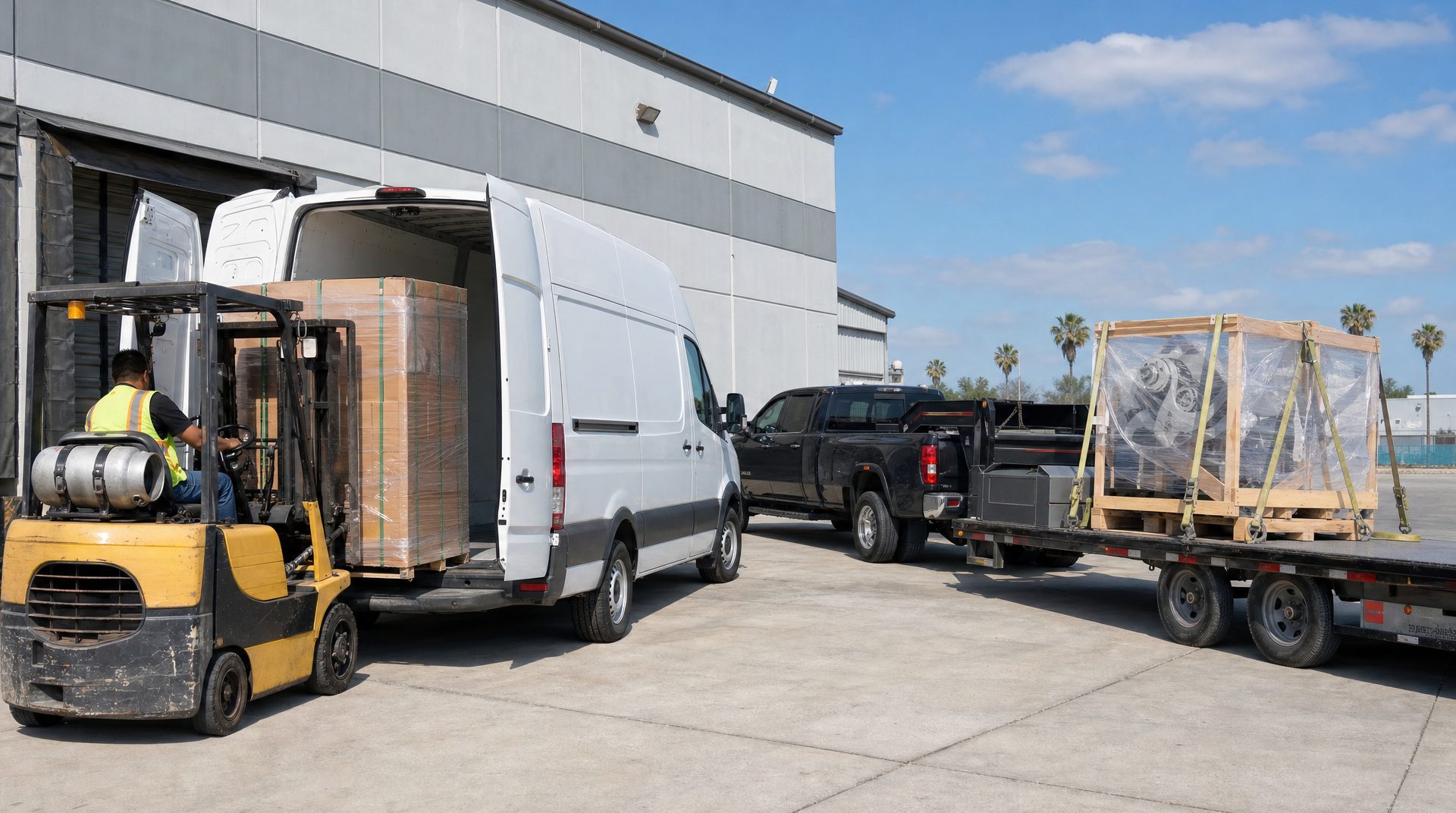
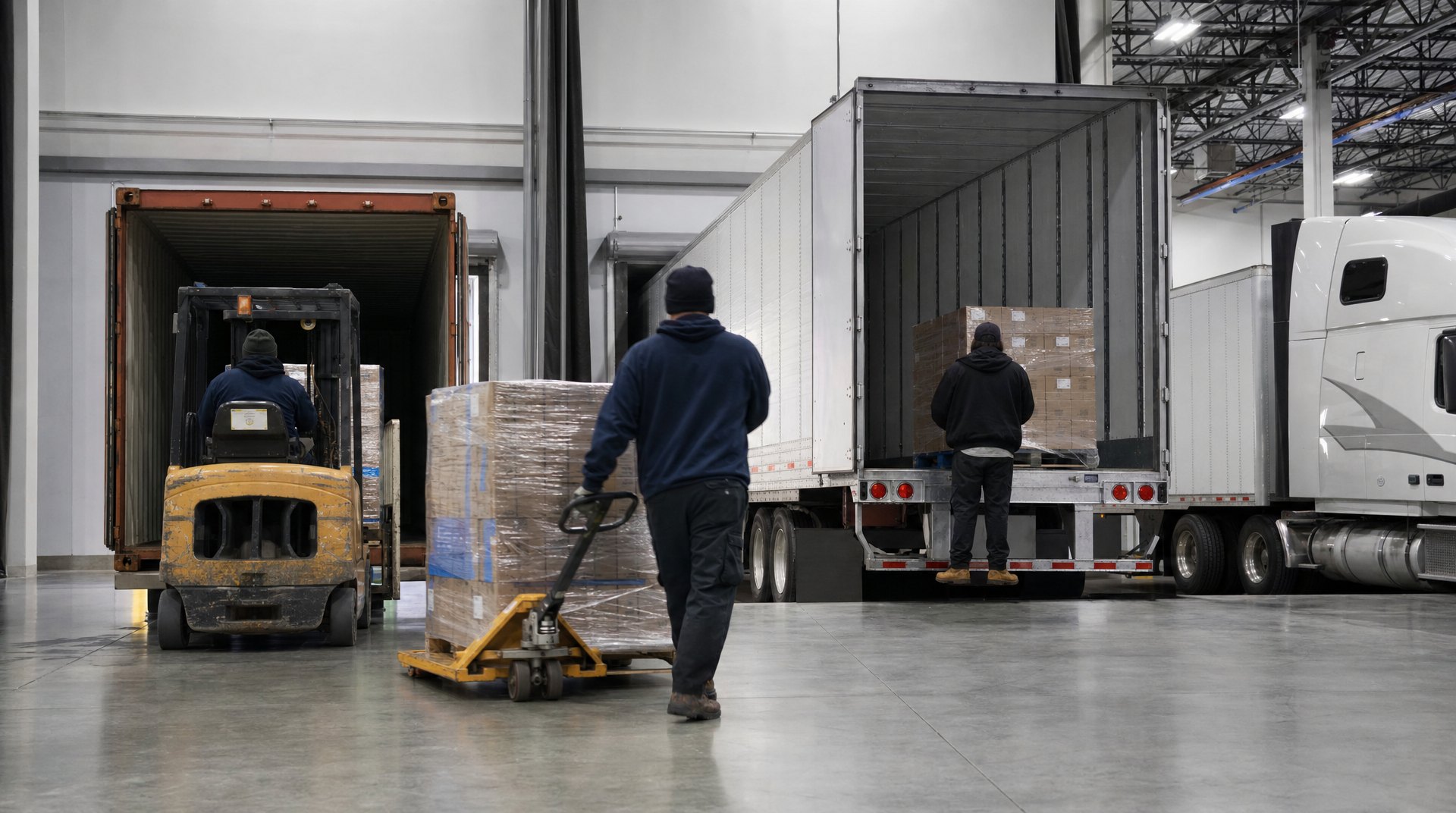
At the same time, logistics focuses on moving and storing goods in the supply chain. Logistics focuses more on the product within the supply chain. Logistics as a field is engaged in demand planning, transportation, unloading and loading cargo, and execution of orders. Some individual specialists and companies specialize in logistics services. This allows SCM specialists to focus on other issues. While logisticians ensure timely delivery and storage of cargo. Some logistics companies own both planes and freight trains. But companies often specialize in only one type of delivery, for example, by trucks.
As it is clear from the definitions, logistics, and supply chains complement each other perfectly. Combining them gives companies a competitive advantage and customer loyalty. After all, from the very beginning of the product’s journey to the final destination, it is in safe hands and under constant control. By combining the efforts of logistics and sustainability in the supply chain, the possibility of error is minimized.
The connection between logistics and supply chain management
Of course, the connection is immediately visible. These two areas deliver timely cargo from point A to point B. And, of course, this requires logistics and supply chain management to work well together, establish relationships with contractors, risk minimization, high-quality equipment, and communication with customers.
So, we keep it in mind that logistics materials and supply chain management are connected.
Logistics within SCM
- Timely information allows you to monitor the location of the goods at any stage of delivery or storage.
- The work of logisticians ensures the storage of goods in the correct quantity and in the right place. They are the ones who make sure that there are not too few and not too many goods in the warehouse.
- Acceptance, packaging, packaging, packaging, shipment, and acceptance of goods are all tasks from the field of logistics.
- While supply chain management is engaged in big strategies, logistics is involved in loading and unloading operations, which are no less important.
- Proper packaging, which logisticians will check, guarantees the safety of products.
- Also, logistics constantly monitors the efficiency of work and delivery, so it organizes the unification of different goods.
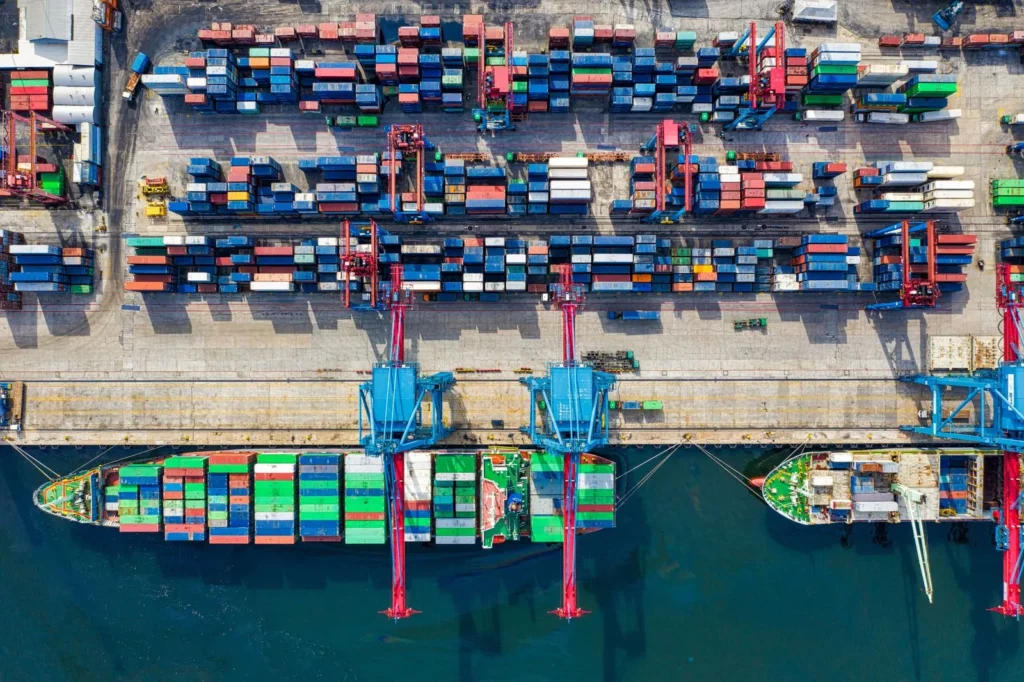
- And the most essential thing in our topic is the delivery of goods with the help of trucks, trains, planes or ships.
Conclusion
In a world that is used to fast delivery, there is no room for error. Therefore, all specialists should give their best, and combine different methods of work and different areas so that the whole chain works smoothly.
Logistic distribution and supply chain are the most critical components of satisfying customers and end consumers. The well-coordinated work of these systems allows you to establish feedback, speed, quality of delivery, communication with contractors, and storage of goods per the rules.
This work is inconspicuous but extremely important because supply chain management sustainability allows you to effectively and efficiently provide services and make a profit for clients. Combining logistics and supply chain management is a profitable practice that as many companies as possible should pay attention to.
We share our knowledge but also provide high-quality forwarding services for companies. If you are interested in our services, you can contact our consultants. They will tell you about working with us and offer favorable conditions. Contact us now!
Key takeaways
Before diving into the frequently asked questions, here is a quick summary of the points covered above. Use this as a reference whenever you need a refresher on how logistics and supply chain management work together.
- Supply chain management sets the overall strategy for producing and delivering goods, while logistics handles the physical movement and storage of those goods.
- Logistics is one piece of the larger supply chain puzzle, covering transportation, warehousing, order fulfillment, and demand planning.
- Strong coordination between SCM and logistics teams reduces delays, keeps inventory balanced, and protects product quality from origin to destination.
- Working with an experienced logistics or forwarding partner can simplify daily operations and free up internal resources for bigger strategic decisions.
Frequently Asked Questions
What is the main difference between supply chain management and logistics?
Supply chain management is the broader discipline. It oversees the entire journey of a product, from sourcing raw materials to manufacturing, distribution, and final delivery to the customer. Logistics is a narrower function that sits inside the supply chain and focuses specifically on moving, storing, and tracking goods. In short, supply chain management is the strategy, and logistics is the execution of a key part of that strategy.
What are the key components of supply chain management?
Supply chain management generally includes sourcing and procurement, production planning, inventory control, transportation, warehousing, and customer service. Each component depends on the others, so a delay or miscalculation in one area, such as procurement, can quickly affect delivery timelines and customer satisfaction further down the chain.
Why does supply chain management matter for a business?
A well-managed supply chain helps a business control costs, maintain steady inventory levels, and deliver products on time. It also builds trust with customers, since consistent and predictable delivery is one of the main factors that keeps clients coming back. Companies that invest in supply chain management tend to adapt faster when market conditions or customer demand shift.
What are common challenges in logistics and supply chain management?
Common challenges include unpredictable transportation delays, inaccurate demand forecasting, limited visibility into shipment status, and coordinating multiple carriers or vendors. Seasonal demand swings and last minute order changes can also strain warehouse capacity and staffing. Addressing these challenges usually requires clear communication, reliable partners, and consistent tracking of goods at every stage.
How does a third party logistics (3PL) provider fit into the supply chain?
A third party logistics provider takes on specific logistics tasks, such as transportation, warehousing, or order fulfillment, so a business does not have to manage every detail internally. This lets companies focus on core operations and strategic supply chain decisions while relying on a logistics partner’s equipment, network, and experience to handle day to day execution.
Can a small or growing business benefit from professional logistics support?
Yes. Smaller businesses often lack the internal resources to manage transportation, warehousing, and delivery on their own. Partnering with a logistics provider gives them access to established carrier relationships and operational know how without the cost of building that infrastructure from scratch. As the business grows, this kind of support can scale alongside its shipping and storage needs.